October 14, 2026


Few people in Slovakia live and breathe artisanal wine the way Tomáš Šajgal does. He is behind the popular craft wine bar MÄD as well as the distribution company NAEN.
We spoke with him about whether good wine has to be expensive, why the term “natural wine” is problematic in Slovakia, and what local restaurants could improve when it comes to their wine lists.
There are still quite a lot of them, and the term “natural wine” is often used almost like an insult in Slovakia. I’m in favor of not calling them that. The most appropriate term would be artisanal, low-intervention wines.
But even that is a dangerous word. People love trends and tend to exaggerate them. We’ve had trends of craft beer, craft coffee, and now craft bakeries. Those trends pass, and what we’re left with are croissants costing eight euros. That’s not what we want. Natural wines are unlikely to become a trend in Slovakia—and that’s actually a good thing. Natural wine is artisanal by its very nature; there’s no need to turn it into a trend. It’s more for conscious consumers.
Conventional wines—produced using modern methods and permitted additives—are made quickly and safely. This approach originated during wartime, when wineries needed to produce large quantities of wine because men were away at the front, so they relied on various additives.
But we never really returned to traditional production, because this method is more convenient. As a consumer, I prefer honest, artisanal products without additives. I don’t buy toast bread, for example. It has a similar history: its conventional version is one of the most heavily processed bakery products so it can last as long as possible. Toast bread is a product that really shouldn’t exist anymore.
That depends on what you consider cheap, but it’s important to realize that the cheapest wines are actually the most expensive. When you buy cheap wine, you’re responsible for people not being paid fairly. On top of that, cheap wines pollute the environment, and you’ll end up paying for it elsewhere—your money will go to pharmaceutical companies or to those who have to fix the damage.
Good inexpensive wines do exist in the world, usually in places where they’re supported by governments or associations—someone else pays part of the cost for you. Here, it’s the opposite. Vineyards are often cleared to make room for apartment buildings or mixed-use developments, because a square meter is worth more to a developer than a square meter of vineyard. That’s sad, because no one considers the social value.
An Italian organic-certified wine costs €19 in my bar, while a Slovak artisanal wine of similar quality costs twice as much because it hasn’t been supported. So I end up buying comparable-quality wines at a much higher price locally.
Many people in the field can imagine a system that works better and benefits everyone. Even lawmakers would have a nicer job. But for now, this isn’t discussed publicly enough, and I don’t see a comprehensive idea. We need to talk about it more—I’m trying to do that myself.
Does every restaurant have a chef? If you want to sell food, someone has to cook it. A restaurant that makes good money on food but not on wine is doing something wrong. Wine shouldn’t be sidelined. It’s a social drink that opens doors and conversations, and it’s also a cultural product that often elevates food. If an owner sees wine as just an accessory, they’re missing out on a lot.
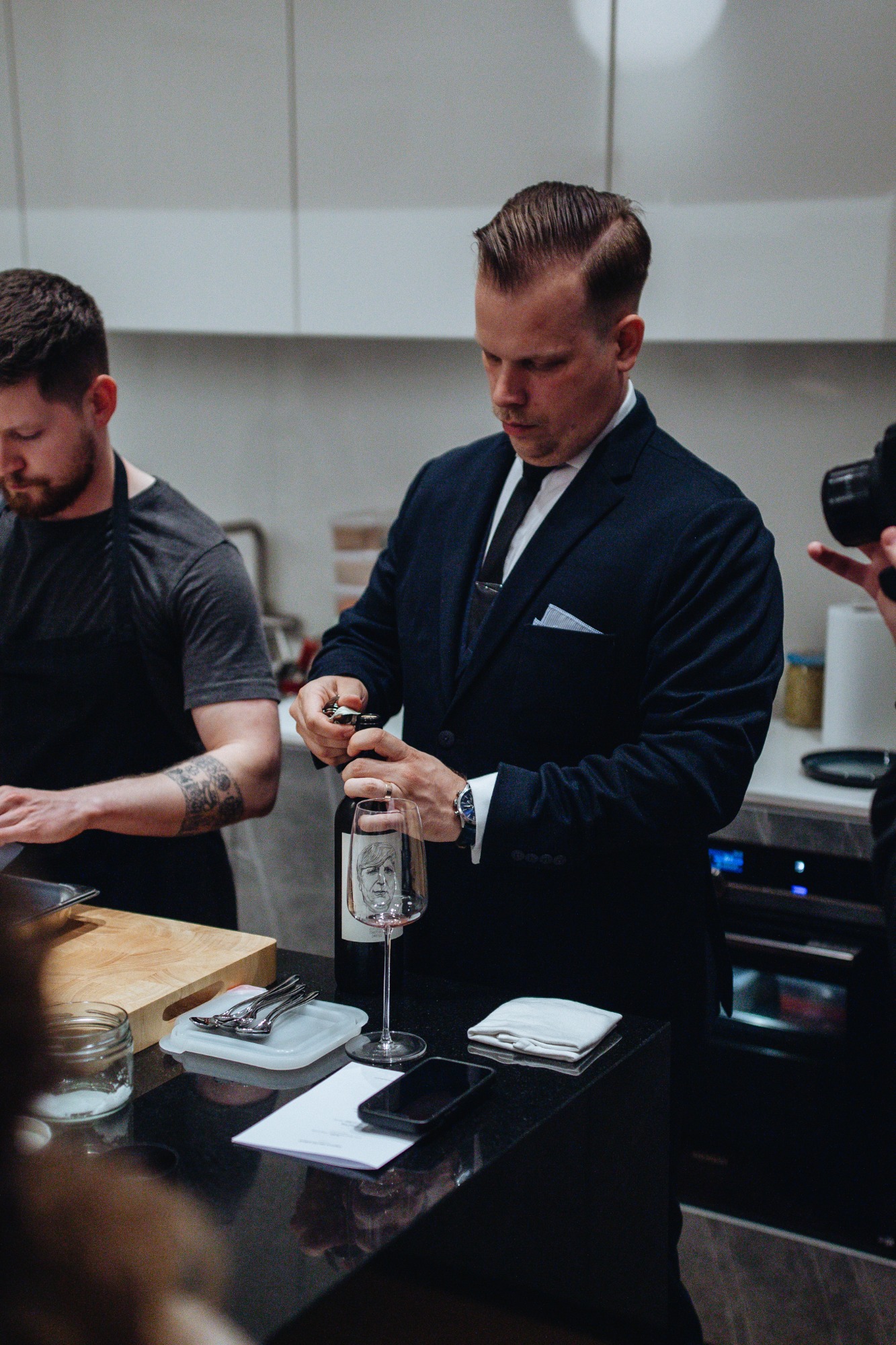
They don’t drink it because there’s no good wine. Even the cheapest restaurant shouldn’t cook with semi-finished products and offer retail wines meant for home consumption. Even if I’m creating a menu—figuratively speaking—for construction workers who come in for lunch, why wouldn’t I offer at least one good wine?
I once had a client who didn’t want to put more expensive wine on the list because “no one drinks it.” They tried a wine that was twice as expensive. Their turnover increased by 250 percent—and they were surprised it worked.
It’s logical. People didn’t drink wine there before because it was cheap retail wine. Once guests saw that the restaurant started taking wine seriously and had a professionally curated selection, they started ordering it.
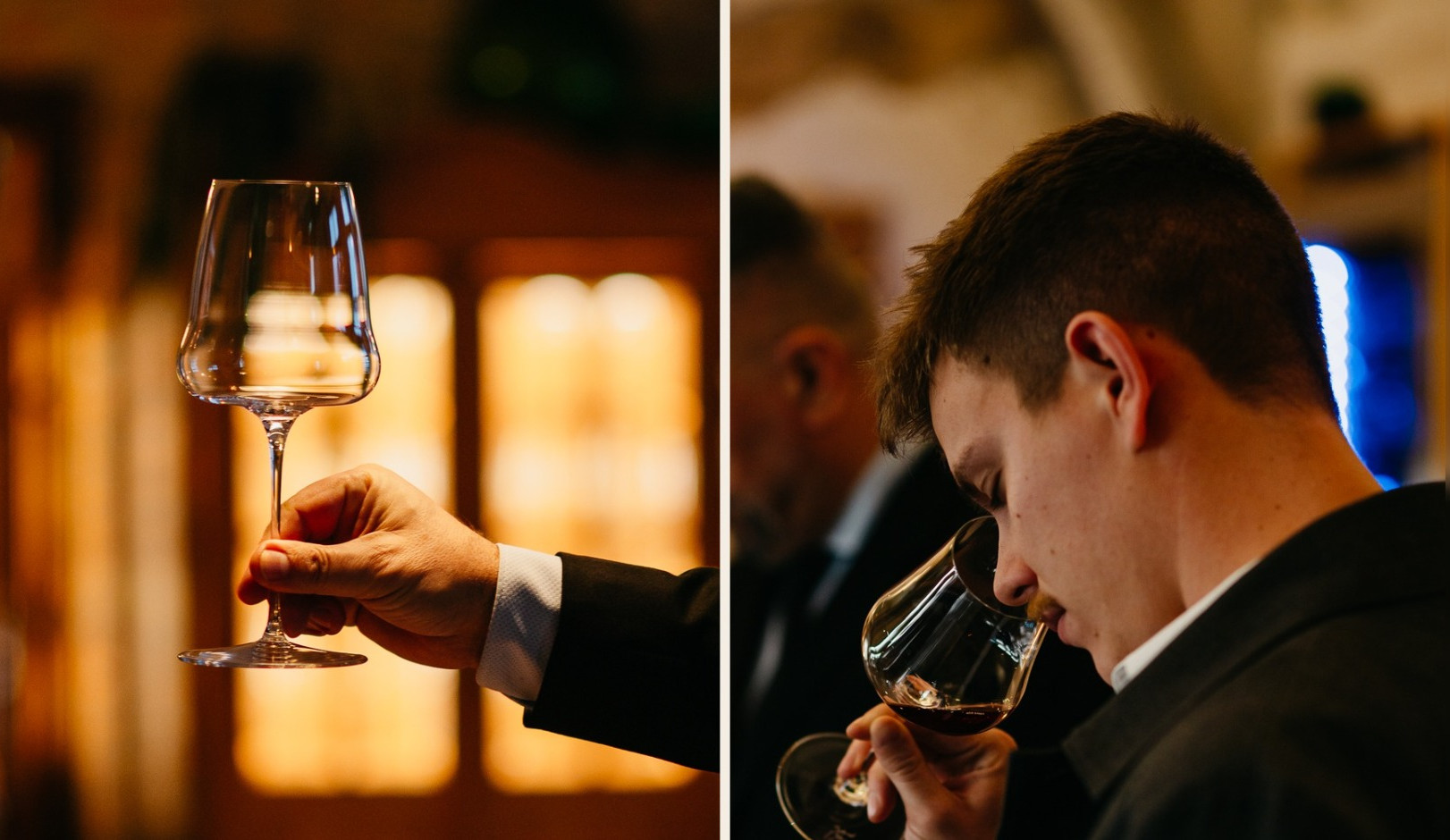
In bistros with low volume, a €40 glass doesn’t make sense. But if you take wine seriously, you need a certain level of glassware. You wouldn’t put cheap wheels on a Mercedes-Maybach. Expensive wine belongs in quality glasses, and I guarantee guests can tell the difference. During tastings, I often do glass comparisons—tasting the same wine from different glasses—and the difference is obvious. A good wine deserves the right glass.
Above €12,000, differences in quality are hard to distinguish (laughs). Suppliers open expensive bottles for me, so I’ve learned. But if you don’t drink that type of wine often, you can’t really judge it. If I open an orange wine for someone who’s never had one, they’ll say it’s awful. A lover of artisanal wines will be thrilled.
When you step outside your comfort zone, it’s normal to feel lost at first. I had to drink twenty €400 bottles myself to understand what parameters define wine at that level. Every price range has its own categories for comparison.
At MÄD, I’m exactly the person who helps people step outside their comfort zone in every aspect except price. We’re very well set up there and don’t offer extremely expensive wines.
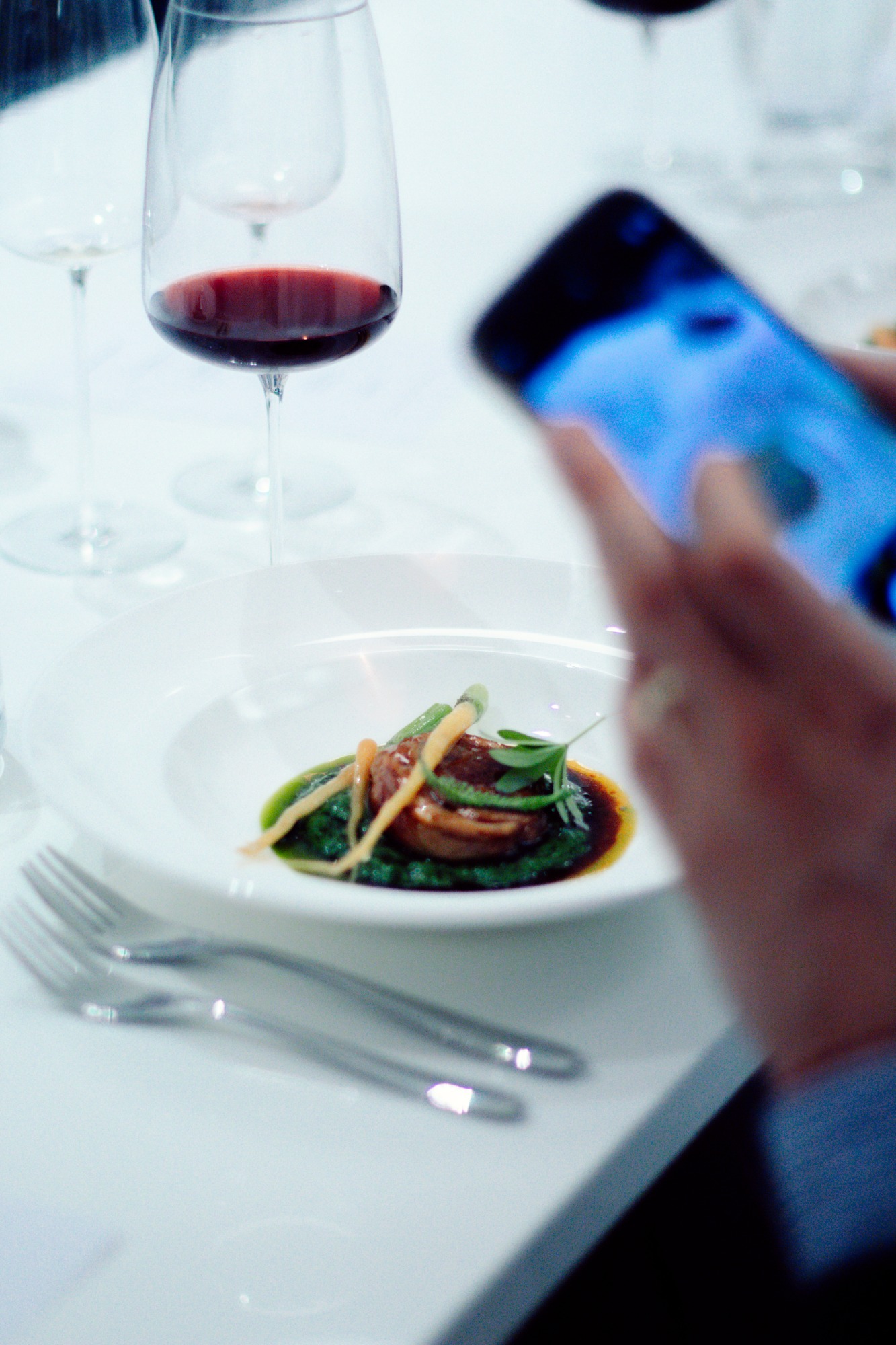
Feel free to call me (laughs). But seriously—work with professionals. If my tooth hurts, I go to a dentist, not a friend. If you want your concept to succeed, you need expert advice. I’ve seen good restaurants buying wine in supermarkets.
Most restaurants here don’t really address this. Some do have water menus, but generally they don’t believe in it yet. As a water sommelier, I have to explain that water isn’t just a tasteless, odorless liquid—it has flavor, aroma, origin, and effects on the body. At MÄD, we always have an alkaline sparkling water that’s great for digestion. If someone says “it’s just water,” I guarantee there’s water that can ruin a dish. During tastings, I pair water with food to show how it can spoil the experience.
From a chemical perspective, bitter foods are the hardest to pair, because bitterness rarely appears in wine. I’d think long and hard about that.
On a human level, it’s difficult when someone sets impossible constraints—like serving venison with mushrooms, currants, and chocolate and wanting Champagne with it. Then they can just drink Champagne.
One memorable experience was pairing fried calamari with a carbonic red wine, which created a barbecue-like sensation in the mouth—fantastic. Right before the tasting, the chef said he’d changed the plan and added “just chili” (laughs). That tiny change made the wine undrinkable, so 82 portions had to be redone. Now I show people what “just salt” can do—salt can ruin even very expensive wine.
So you can see if you like it. If a guest says they don’t, I ask what doesn’t work for them. I have a decision tree—one I’ve even used to train sommelier AI—and based on a few answers, I’ll open three more bottles until we find the right one. I’ll sell those bottles anyway—that’s hospitality.
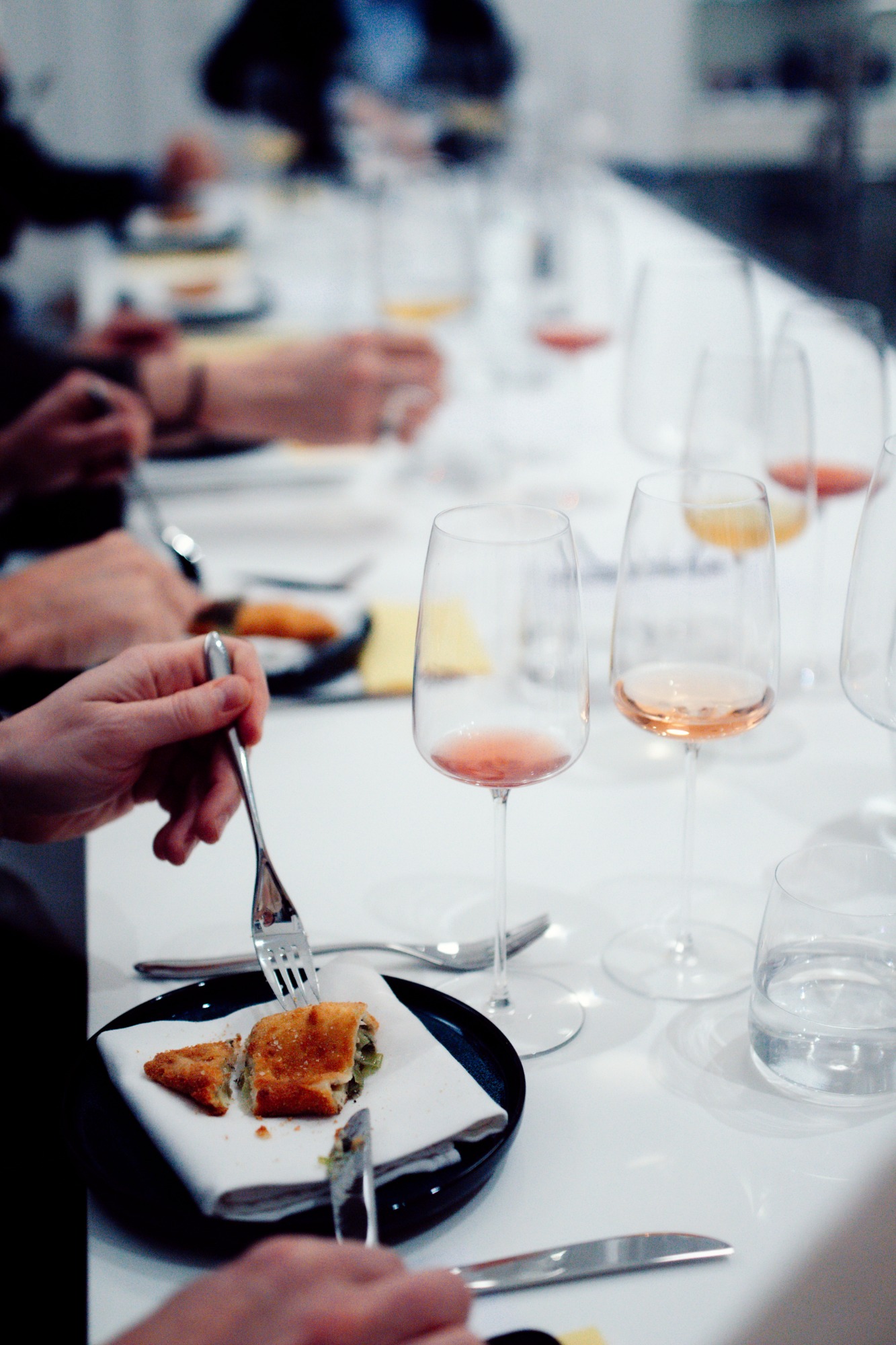
Two stand out. One was truffles with Chardonnay—creamy, truffled, incredible.
The other had nothing to do with fine dining. Slovenia, a vineyard, a table made from old doors, a wood stove burning in the corner, smoke in the room. Bread with lard, onion, pumpkin seed oil, and orange wine. It was about that specific moment and atmosphere—something you can never recreate.
Everywhere. I’m a hedonist, and you can only calibrate quality by trying bad things too. Go everywhere, taste everything, but seek quality. I love having coffee and cake in galleries. I also respect Slovak artisanal winemakers who treat their vineyards honestly and can talk about their work.
No. Non-alcoholic wine is produced through a very harsh chemical process, which natural winemakers don’t accept. You can’t gently “remove” alcohol from wine.
In artisanal food stores, maybe. But it’s hard to tell if you’re not a sommelier. If you’re interested in artisanal wine, call me. If you like the wine you’re drinking, keep drinking it. If everyone started drinking our wine, I wouldn’t have enough—I only want to reach that percentage of people who truly care about artisanal wine.
One that’s 100 years old. If not, I won’t die—I’ll wait.
Slovakia.
Over €20,000 for a 700 ml bottle.
Our Prosecco.
Not continuing your education.