September 8, 2026

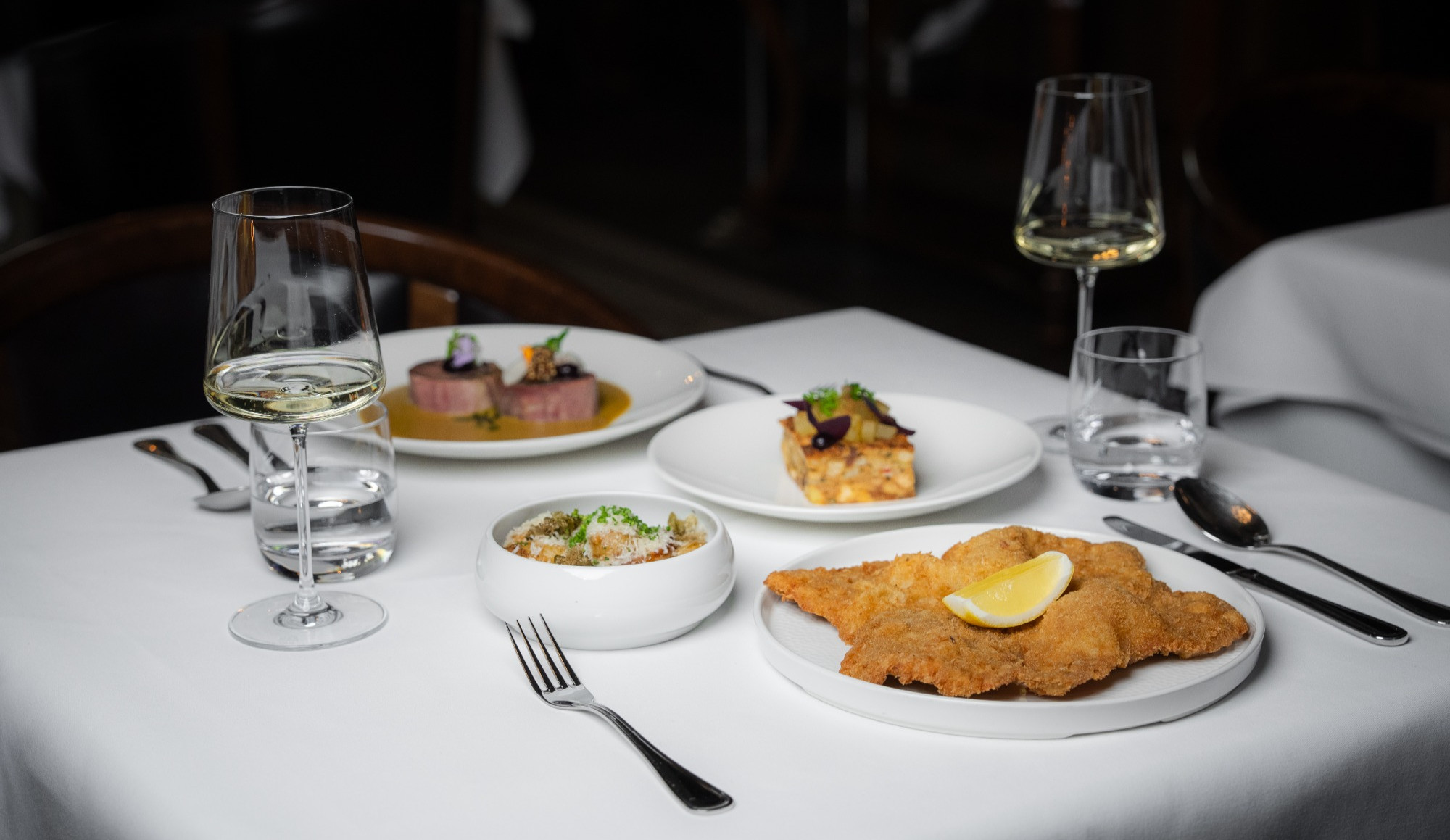
Café Slávia is a Košice legend. In a beautiful Art Nouveau building, under the baton of František Sedlák, a menu is taking shape here that honours the history of this place while surprising with its inventiveness and its respect for the origin of its ingredients.
We talked with František about the culinary identity he has brought to Slávia, what it means to cook traditionally today, and how he would redefine the label "honest cooking."
Where did your relationship with cooking begin, and what eventually brought you to Slávia?
It was a longer process - first the flavours of childhood, then school, the first kitchens where I learned more or less on the go, and later working abroad. Both Cyprus and Ireland showed me that gastronomy can work in a completely different way than I had known. Then came restaurants, television, events, a cooking school, guest chef appearances - each of those pushed me somewhere, and gradually they added up to the way I think about food today.
What drew me to Slávia most was that it has a strong identity and history, and yet there's room to do contemporary cooking. After those years of various projects, it appealed to me - to take everything I'd learned and finally start building it for the long term, in one place. To come somewhere as a guest chef, put together a menu and leave is something completely different from being there every day and carrying responsibility for the direction, the quality, the team, the whole operation. And that's exactly what I enjoy about Slávia.
Slávia has come a long way and built an excellent name, which its awards confirm as well. What story do you want to keep telling through it?
I definitely didn't come in thinking everything had to be torn down and started over. When you walk into a place with this kind of history, it would be a mistake to act as if there had been nothing here before you.
I want to build on that and gradually bring a piece of myself into it too. Slávia sits in a historic space in Košice, so it makes sense to me to work with the flavours of eastern Slovakia and Central Europe - but not nostalgically. I don't want to cook dishes exactly the way they were made fifty years ago just because they're "traditional."
I'm more interested in how to clean up a familiar flavour, lighten it, give it a different texture or context, and not lose what makes it what it is. Ideally, a guest tastes it and thinks: I know this flavour, but I've never had it like this.
When you say "honest gastronomy" - what does that mean to you, including in the context of the kind of cooking you like to do?
That word gets used far too often in gastronomy today, perhaps even needlessly. For me it isn't a style of cooking, but a way of working.
It doesn't mean everything has to be rustic or served like it came from grandma. It means that when we make a sauce, it has to have a proper base. When we cook a stock, we give it as much time as it needs. When we work with meat, fish or vegetables, we respect the ingredient and don't reach for a shortcut just to make things easier in the kitchen when it comes at the expense of the result.
Sous-vide, fermentation, espumas, gels - by all means, I like using them. But only when they make sense in the dish. If a guest admires the technique more than the flavour, then we've gone wrong somewhere. In the end the food has to be good above all, and that's the whole of it.
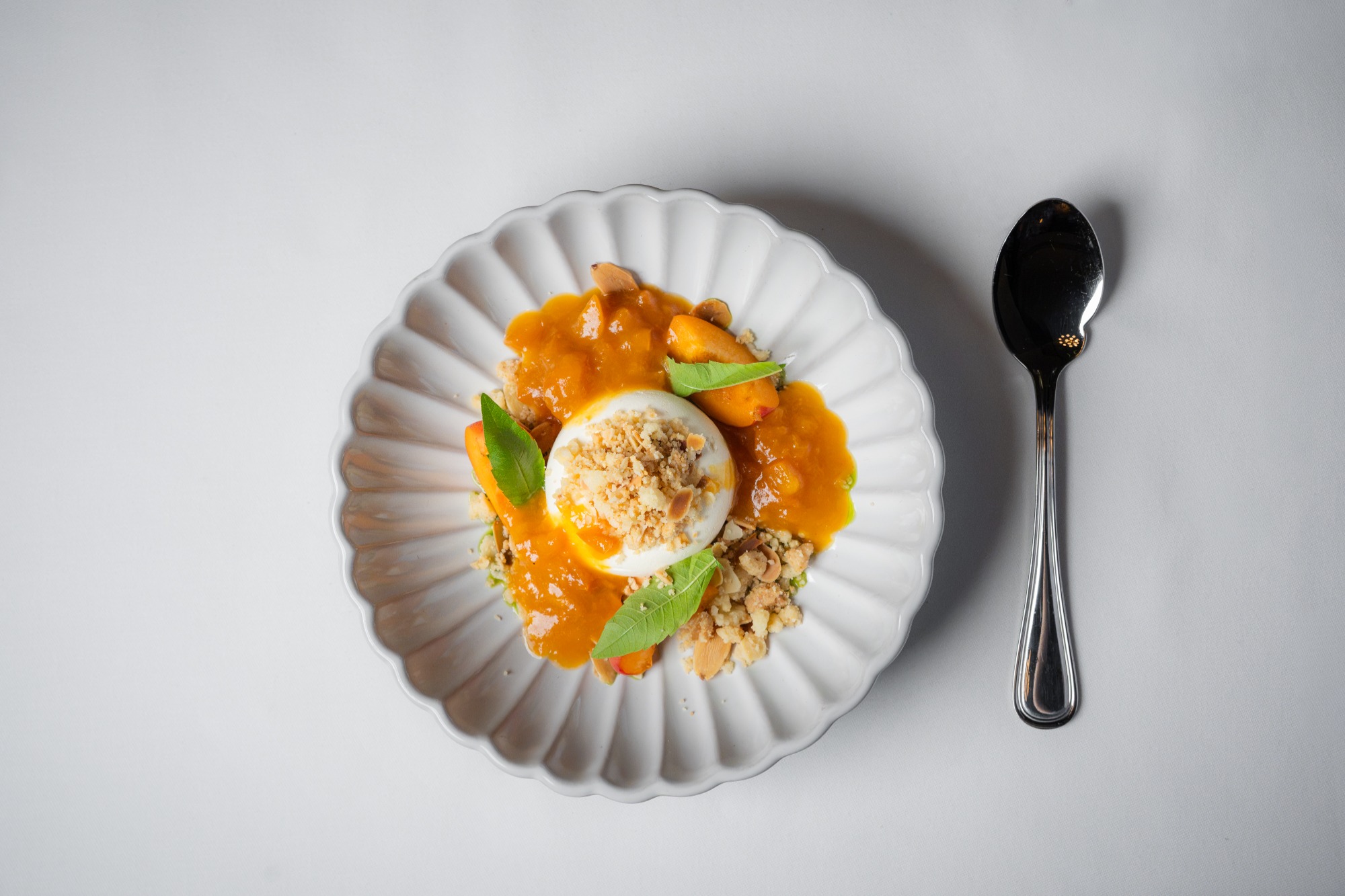
How does a new menu come about for you - from the ingredient, from an idea, or from a memory?
In all of those ways at once, but more and more I notice that many dishes start with some memory or a flavour I know from somewhere in childhood. You may only realise it later - how much of what you think is your own signature actually comes from there.
Other times it's the other way around - I get a good fish, mushrooms, vegetables or meat in my hands and think about what to build around it. Or I first have a flavour in my head and look for a way to get it onto the plate.
And then comes the less romantic but crucial part. The dish has to work in real service. We have to be able to source the ingredients, prepare it the same way every time, send it out in full service, and it has to make economic sense as well. You can have a great idea, but if the kitchen can't reliably reproduce it every day, it's not yet a finished restaurant dish.
How do you find the balance between modern techniques and flavours that people know and love?
I enjoy taking a flavour a person knows - cabbage, dill, mushrooms, potatoes, buckwheat, bryndza, a classic sauce - and playing with its texture, its intensity, the way we serve it. But that basic flavour has to stay legible, otherwise it loses its meaning.
For me, modernity doesn't mean doing it in a more complicated way. It's often far harder to take things off the plate and leave only what really has to be there.
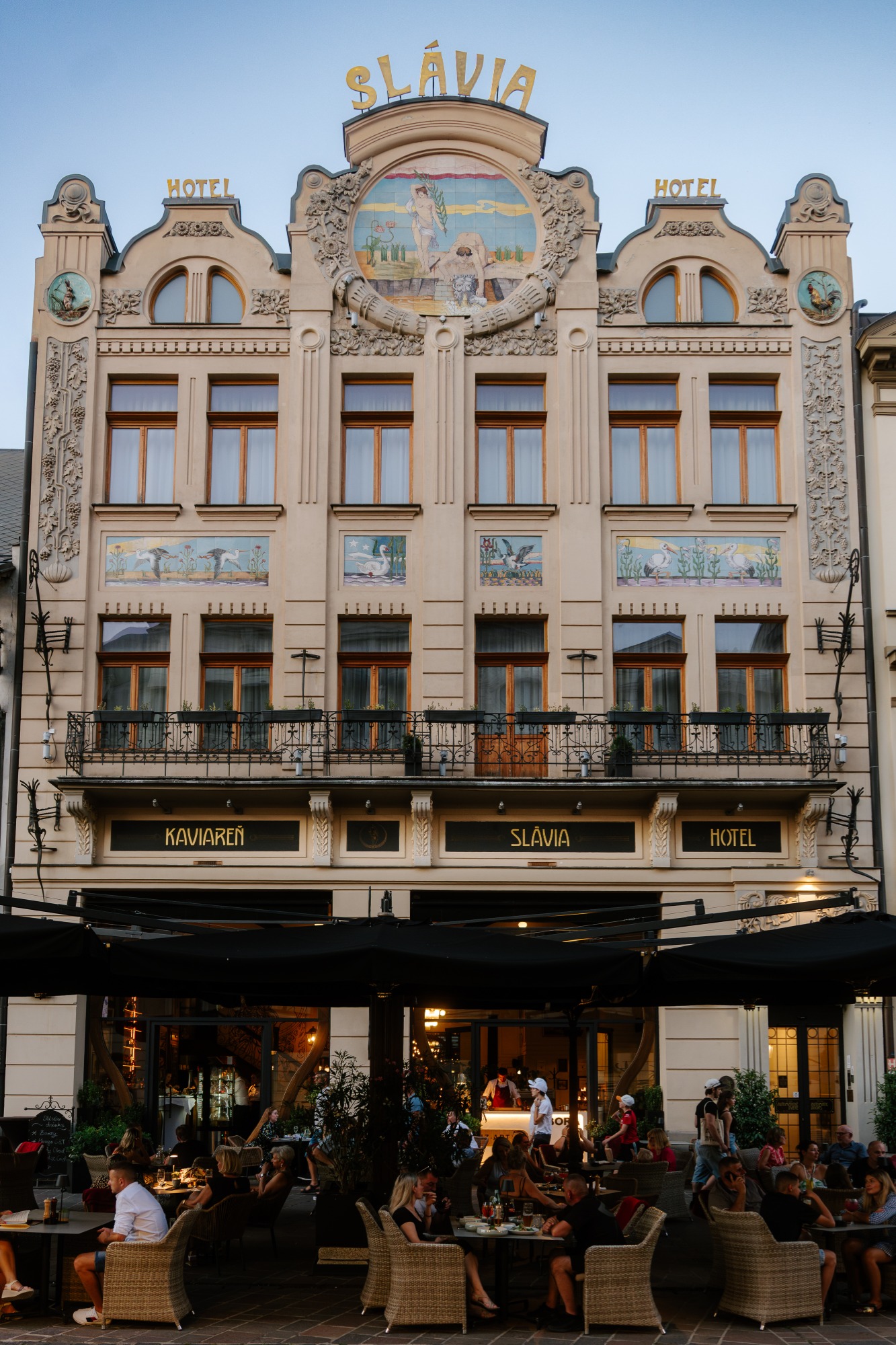
Is there a dish on your menu that best captures who you are as a cook?
Probably our buckwheat pirohy with duck leg and plums.
There's a piece of how I think in them. Buckwheat and pirohy have a clear regional foundation, and duck with plum is a combination everyone knows. We've simply put it together a little differently - we fill the pirohy with braised duck leg, vegetables and demi-glace, we work with a butter emulsion, and we have the plum both charred and as a gel. The guest recognises something in the dish and at the same time gets something they may not have experienced yet.
You work with regional suppliers - tell us more about what works in this respect in Slovakia and what could be improved.
We work with Slovak and regional producers, and I think we have plenty of quality products here - meat, cheeses, eggs, vegetables. The problem usually isn't the quality. It's getting a quality product into the restaurant regularly.
A restaurant needs certainty - quantity, consistent quality, a delivery date, logistics, sometimes a quick response. A small farmer, in turn, can't adapt to the demands of a single restaurant. And that's exactly where it breaks down.
I see a lot of room in better connecting producers with gastronomy, in shared logistics. If a single distribution point could gather the output of several small farms and get it into restaurants regularly, it would make working with local ingredients much easier for many cooks.
But it's not only up to the suppliers. We cooks also have to learn to plan by the season and come to terms with the fact that local doesn't mean having everything available 365 days a year. If we really want to support producers, it's not enough to write their name on the menu - we also have to adapt how we buy and how we build the menu to it.
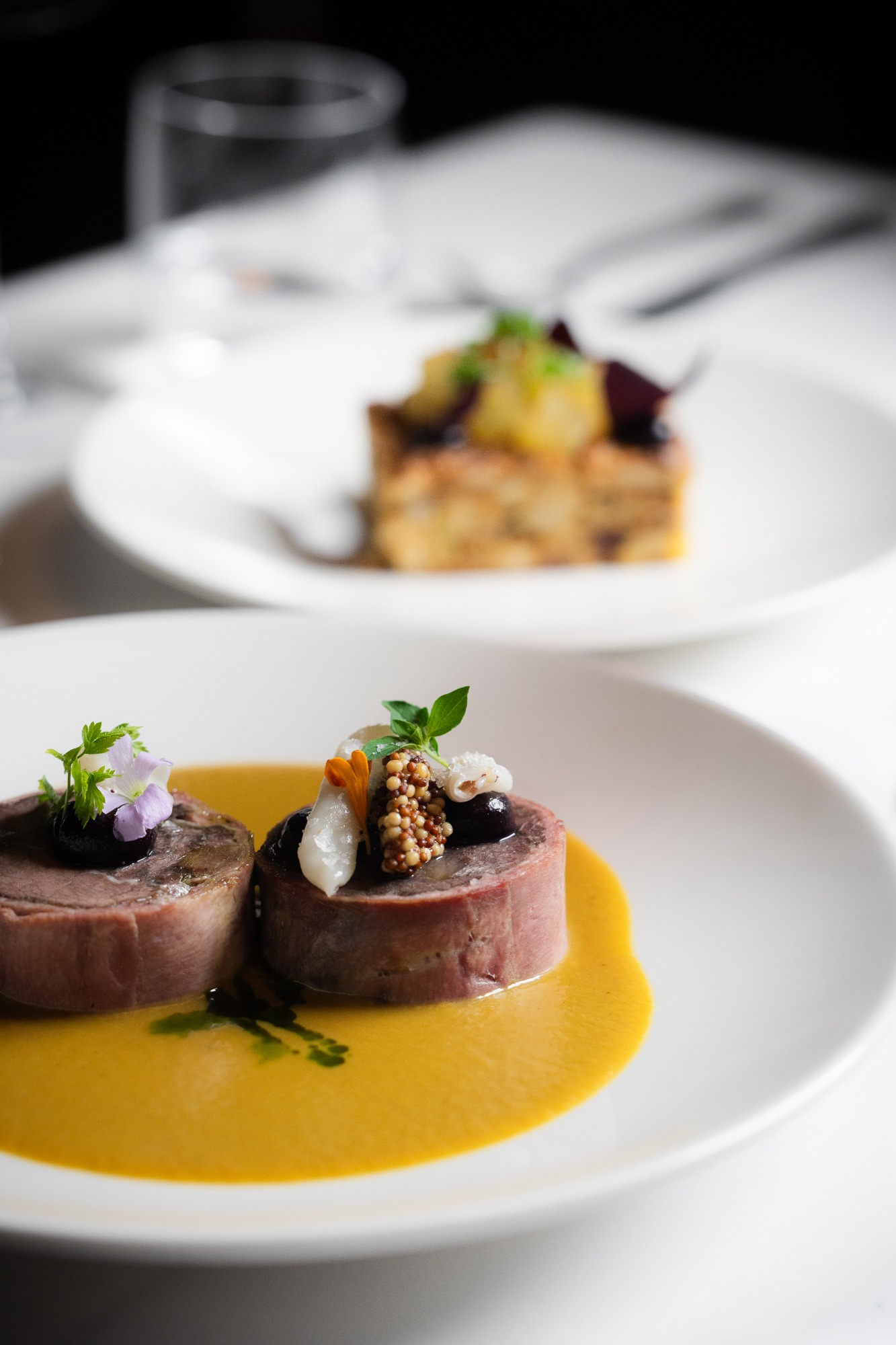
Which local ingredient do you think deserves more attention, and why?
Definitely Slovak freshwater fish. Trout, pikeperch, catfish, carp - you can do really good work with them, but in restaurants we almost automatically reach for sea fish. Often because the guest sees it as more attractive or more premium, even though a quality freshwater fish is a fantastic product and, on top of that, gives the kitchen a much clearer relationship to place.
Again, it's about availability - if a cook is to put a fish on the menu permanently, they need to be able to get it regularly, in the required quality and size. When that improves, there's a lot of room to bring Slovak fish much more to the fore in restaurants.
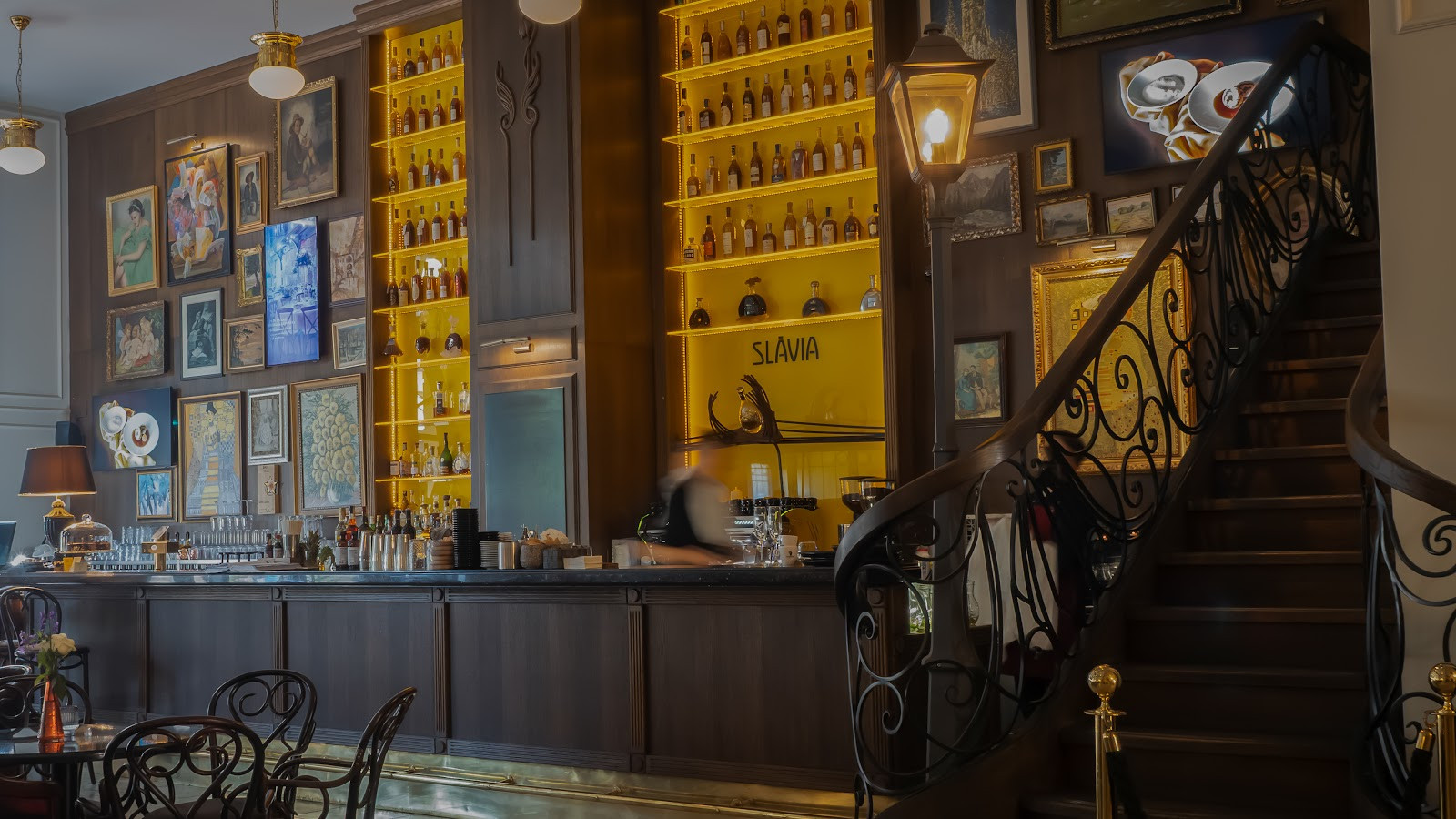
Slávia is an Art Nouveau space with a history going back to 1900. How does this atmosphere influence what and how you cook here - and what should a guest coming for the first time experience?
A space like that simply influences you. It would be strange to cook a cuisine at Slávia that has nothing to do with Košice and the history of the place. I enjoy the contrast between the Art Nouveau interior and contemporary cooking.
A guest coming to us for the first time should feel they are in an exceptional place, but shouldn't feel constrained. I want them to get professional service and good gastronomy while feeling at ease. And on the plate they should get a dish with a clear idea behind it.
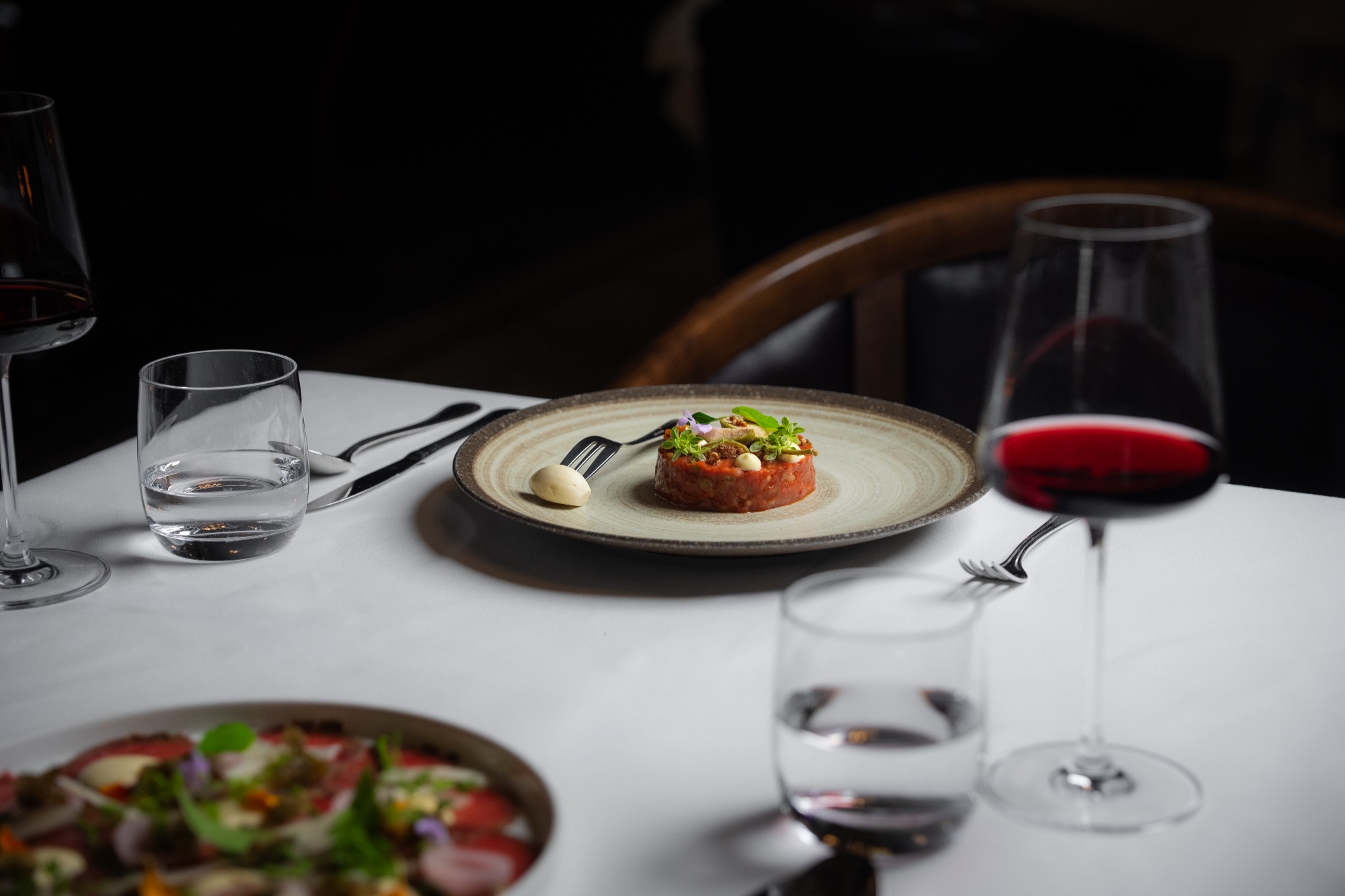
Slávia is also a place for weddings, conferences and celebrations. How does preparing food for an event differ from regular service - and how does a "bespoke" menu for a specific occasion come about?
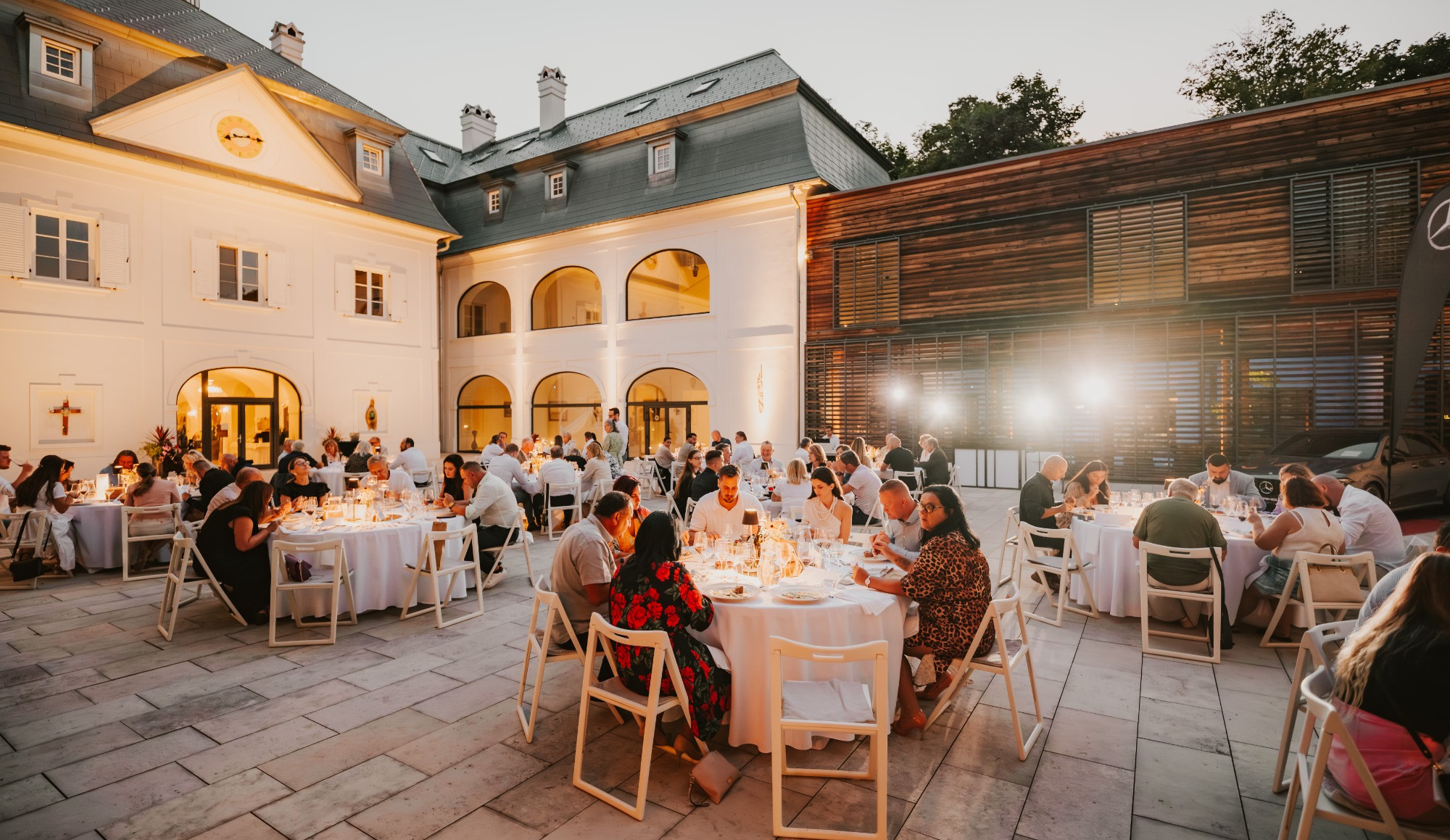
Event gastronomy is a completely different discipline from classic restaurant service. At a wedding or a large event you sometimes need to get dozens or even hundreds of identical plates in front of guests practically at once.
So it's not enough to just come up with the dish well. Already while creating it you have to know how it will be prepared, what can be done in advance, what gets finished just before service, how it holds its temperature, how quickly we can plate it, and whether the hundredth plate will be as good as the first.
That's why, with a bespoke menu, the first thing I don't ask is "what do you want to eat." I'm more interested in what kind of event it is, who will be there and what the guests should experience. I think completely differently about a corporate conference, a wedding, a formal dinner or a family celebration for ten people. At smaller events we can also get much closer to a personal story - working with a memory, a favourite family dish, the specific taste of the person we're preparing the dinner for.
A bespoke menu, to me, doesn't mean swapping a side or a sauce. It means building both the dish and the way it's served so that they make sense for that one particular occasion.