October 14, 2026


Did you know that this precious spice, now a symbol of the Orient, once grew in Slovakia as well? In the 16th and 17th centuries, saffron was cultivated directly in Bojnice, confirming its historical roots in our region. Today, you can find it there again—although it is not intended for harvest—and it is in bloom right now.
Saffron reaches Slovak restaurants from its homeland, Iran, thanks to the project Epersia, founded by Zuzana Azizi and František Rosner. Their commitment to sourcing top-quality saffron began with a personal experience: “Six years ago, we spontaneously set out on a trip to Iran - without a plan, purely for adventure. Only there did we understand how real saffron should taste and look,” they say. In top-level gastronomy, the difference in quality is truly remarkable.
“The reason saffron is expensive is the demanding, entirely manual harvest. One gram requires hand-picking and separating the threads from roughly 150 saffron flowers,” explains Zuzana. On the other hand, only a small amount is enough for a dish.
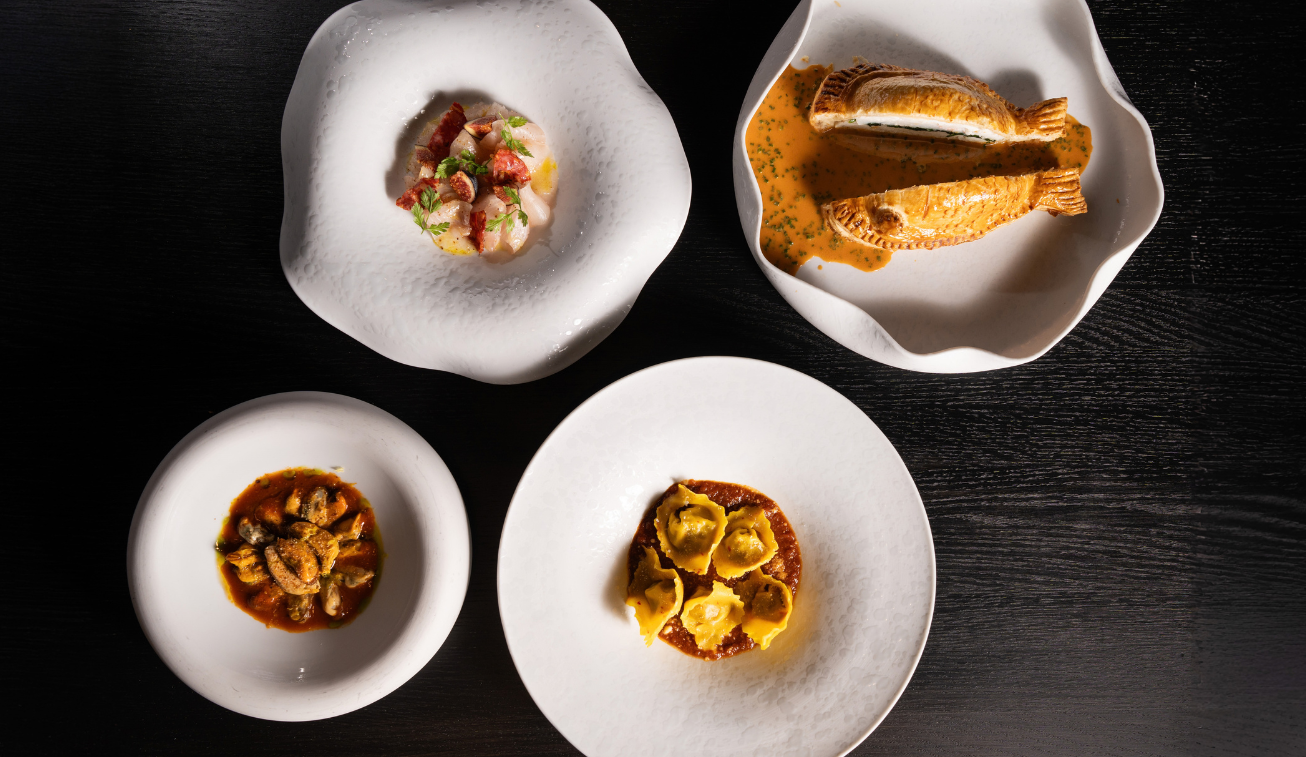
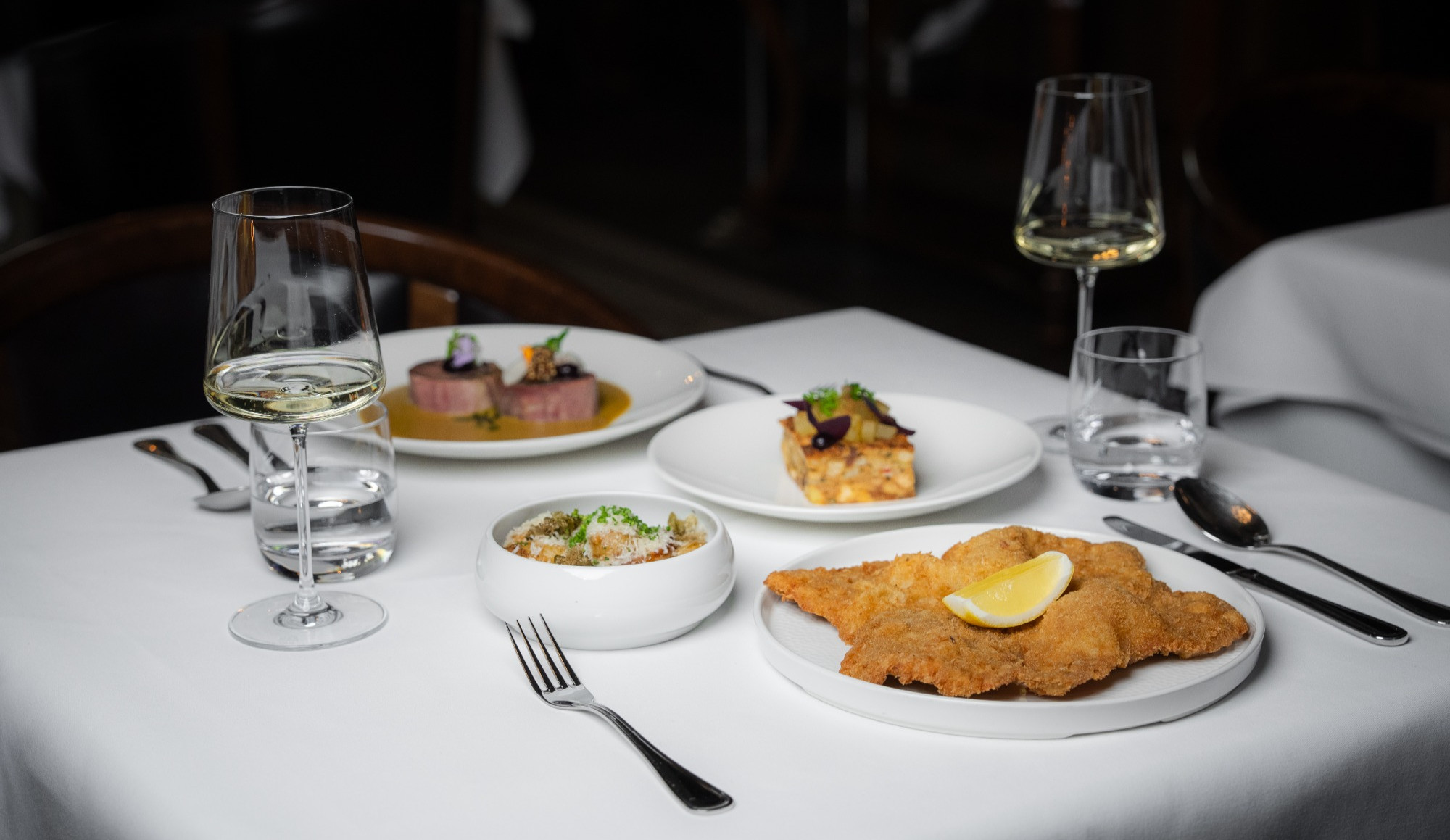
This journey gave rise to Epersia, which now supplies saffron to leading HORECA establishments. Zuzana and František collaborate with Bocuse d’Or teams (they supplied saffron for both the European and world competitions) and partner with Gault&Millau-rated restaurants such as River Park, Bistric, Hotel Lomnica, Chateau Gbeľany, Pork Belly Gastro House, and Olivia’s.
Saffron is not just a spice but also a medicinal herb with remarkable benefits. It supports the nervous system, helps with insomnia, relieves tension, and is considered one of the strongest natural antidepressants. Even small, regular amounts can improve mood and enhance concentration.
Real saffron has a strong aroma, deep color, and slightly bitter-sweet flavor. The threads must be whole and deep red - never yellow or brown. When steeped in hot water, it releases a yellow hue immediately; in cold water, more slowly. If the water turns red right away, the saffron is certainly dyed. “Once you know what real saffron tastes like, you’ll easily recognize the aroma and flavor - the difference is that big,” explains František.
Saffron contains potent antioxidants such as crocin and safranal, which have significant effects on physical health:
– Anti-inflammatory potential: reduces oxidative stress and chronic inflammation.
– Cardiovascular health: helps regulate cholesterol levels and supports the heart and blood vessels.
– Eye health: carotenoids protect the retina and aid in managing age-related macular degeneration (AMD).
– Women’s health: alleviates PMS symptoms, including pain and mood swings.
– Natural aphrodisiac: traditionally used to support vitality and libido in both men and women.
At Epersia, Zuzana and František developed special saffron capsules tailored to the needs of the HORECA sector. This innovation ensures precise, consistent dosing, zero waste, and maximum flavor intensity in every risotto, sauce, or broth - without the hassle of grinding or soaking.
They also created unique saffron products based on their own recipes - saffron syrup and glaze - which pair beautifully with drinks, desserts, ice cream, and even meat. In Bojnice, their high-quality saffron is used to craft saffron beer and saffron ice cream.
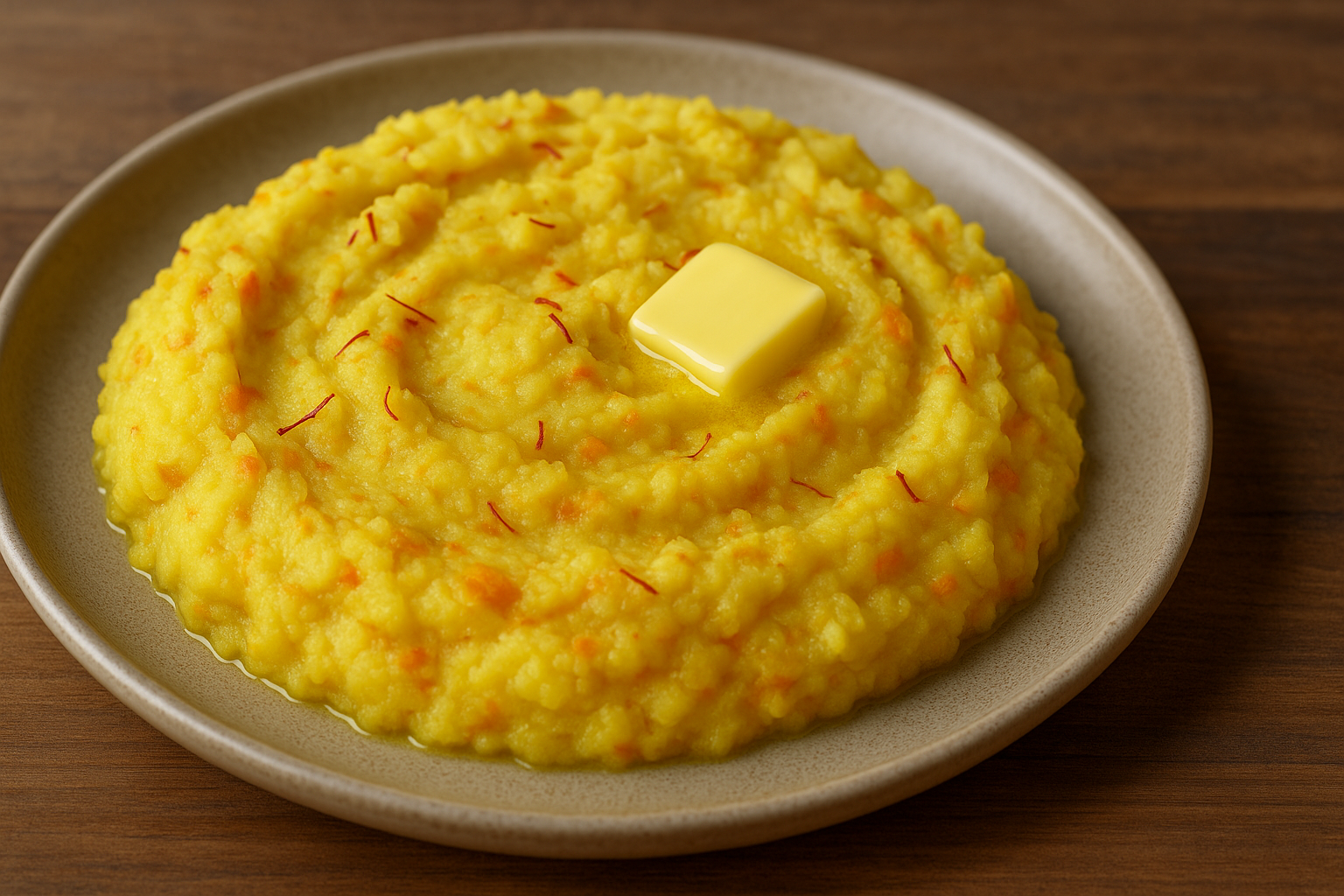
What can you create in your own kitchen? Besides the classic saffron risotto, saffron is excellent for preparing a soothing tea, for stirring into breakfast porridge, or for enriching velvety potato or vegetable purée.
Recipe for saffron purée:
5–6 small potatoes
2 carrots
1–2 parsley roots
butter
salt
real saffron (around 50 threads, approx. 0.12 g)
Boil the potatoes, carrots, and parsley until soft. Crush the saffron in your palm or with a mortar. Drain the vegetables, reserve a small amount of the hot cooking liquid, and mix it with the crushed saffron. Pour the saffron infusion back into the cooked vegetables, add butter and salt, and mash or blend until smooth. If the purée is too thick, thin it with a little of the reserved liquid.
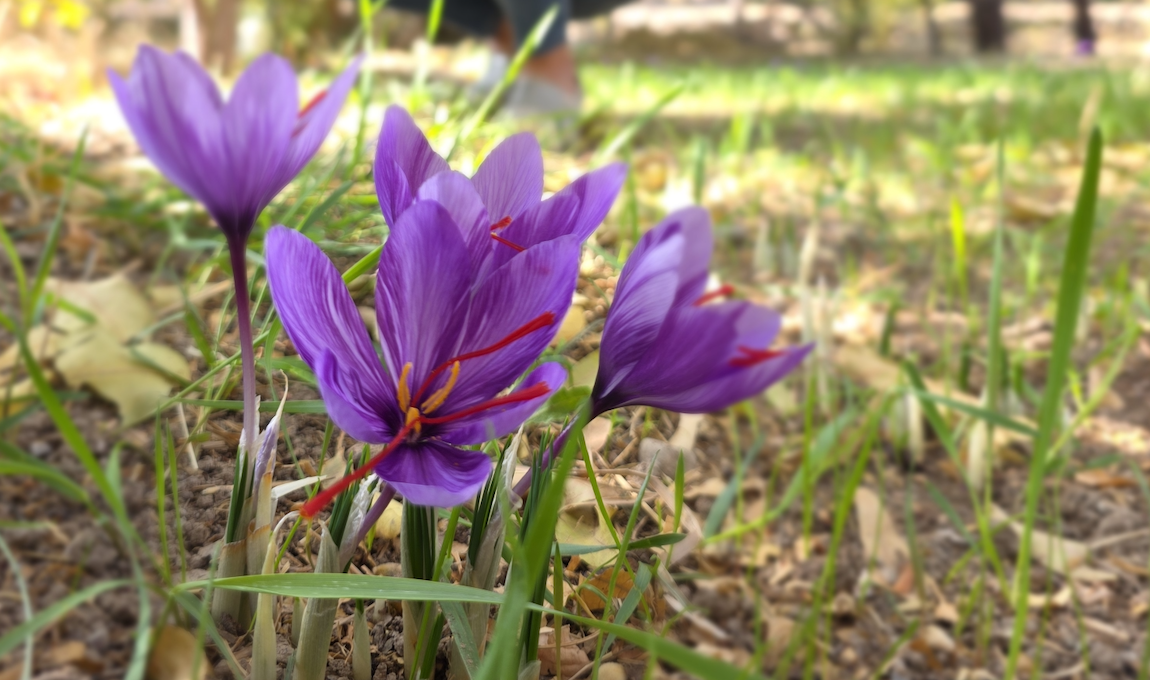
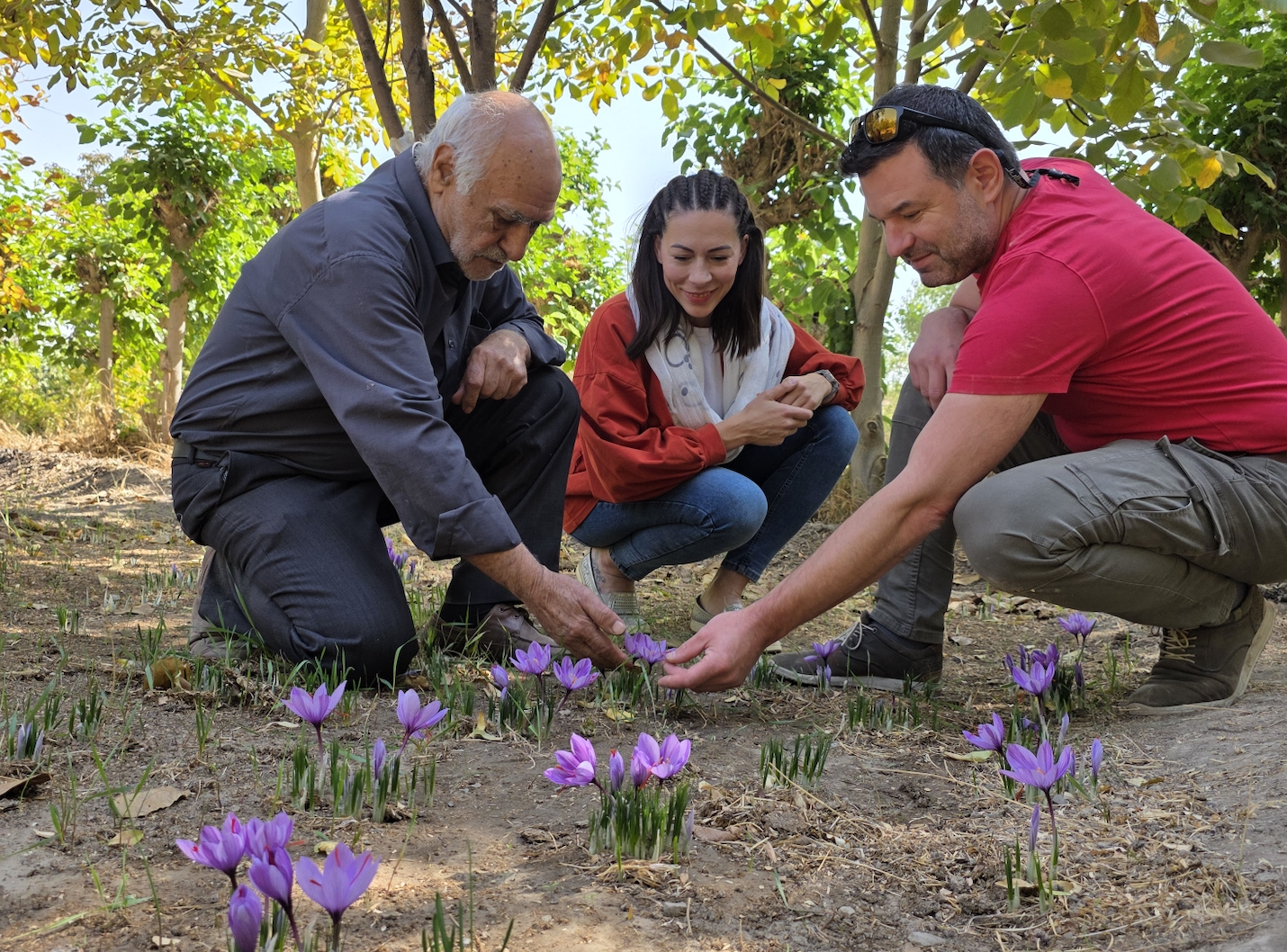
In October, Zuzana and František returned to Iran—straight to their trusted supplier. As the first purple blossoms appeared in the fields, they witnessed the start of the new saffron season. There, among the first blooming flowers, they learned about differences in quality, the health benefits of saffron, and the many ways this precious product is falsified worldwide. The farmer showed them not only hand-picked red stigmas but also pollen stamens, which Iranians commonly use in cooking.
In Iran, freshness and quality of ingredients are essential values. Home cooking, local produce, and pride in native saffron are omnipresent. It’s no surprise - around 90% of the world’s saffron is produced here. Unlike some countries where it is grown in greenhouses, Iranian saffron grows directly in soil under warm sunlight. And did you know it is harvested before sunrise? That each flower contains only three red threads - the only edible, aromatic part? And that saffron blooms and is harvested only once a year, in autumn?
Iran is a country where time slows naturally and everything carries a scent. This sense of calm, flavor, and the power of nature is exactly what Zuzana and František aim to bring into Slovak homes through their saffron.
...
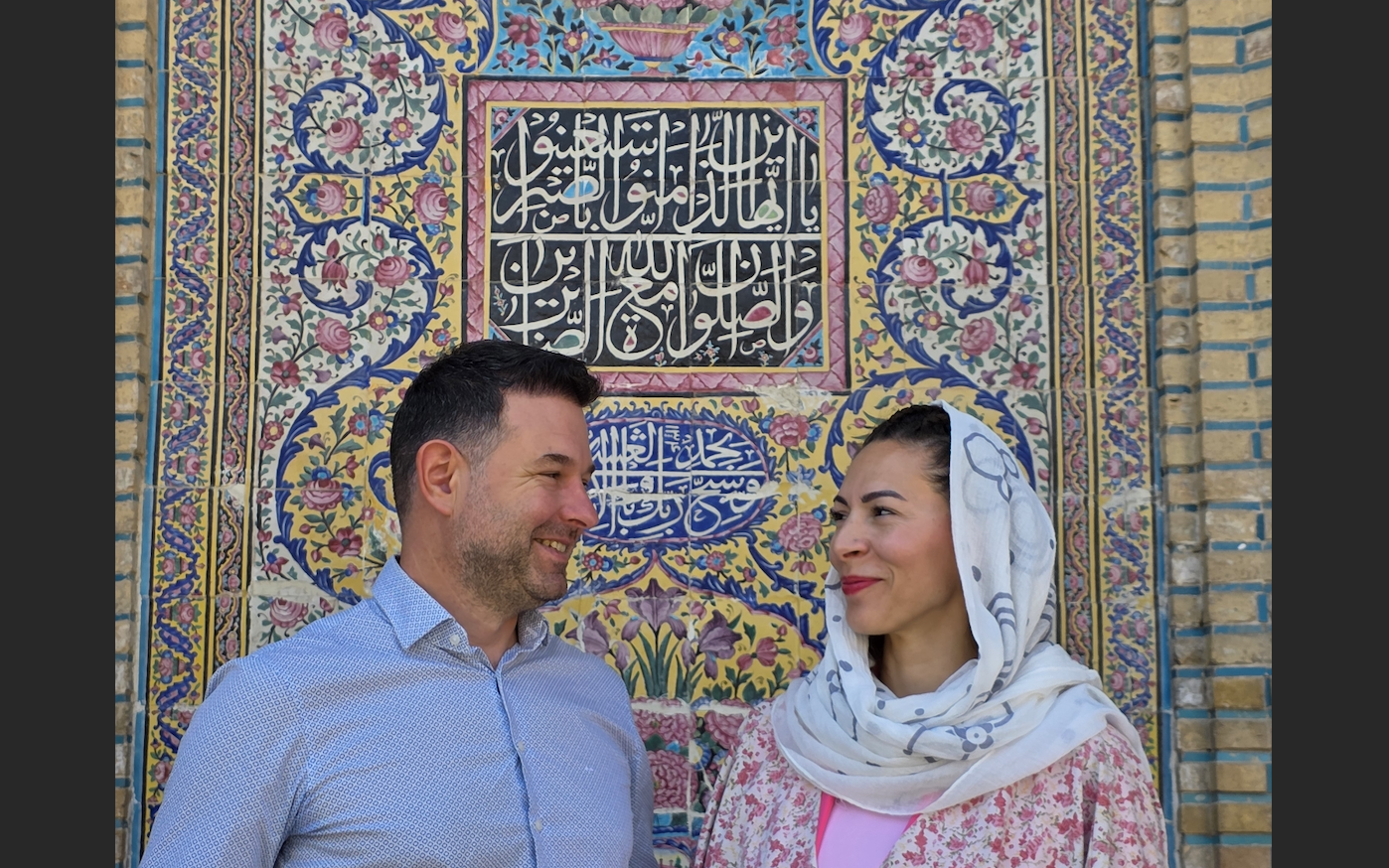
Epersia is built by Zuzi and Feri. It began nearly six years ago with an adventurous, self-planned journey to Iran. Ancient Persia captivated them with its beauty, history, and the exceptional quality of saffron, which they could not find at home. Saffron has a reputation for being a luxury and very expensive ingredient, seemingly out of reach for everyday cooking. Epersia educates people that saffron is luxurious primarily because of its quality and effects, not necessarily its price. They bring genuine Iranian saffron to Slovakia at fair prices and promote its use both in home kitchens and in restaurants.