October 14, 2026


At the (Un)conference Gastrolove, the Chief Inspector of Gault&Millau Slovakia revealed what inspectors focus on during their secret restaurant visits — and which small details even the best restaurants can fine-tune to keep raising the level of Slovak gastronomy.
According to Michal Ondriš, it all starts with the most essential step: breaking out of routine and looking at everything — from kitchen processes and operations to atmosphere and service — through the eyes of the guest.
“Our culinary scene has advanced tremendously in recent years, and its quality is now beyond dispute. You can see that reflected in international guides like Gault&Millau and in various competitions. But reaching a world-class level doesn’t mean there’s no room for improvement — and that’s exactly where we’d love to help restaurants,” says Ondriš.
Based on inspector feedback shared at Gastrolove, he highlighted the most common “sins” that inspectors notice during their visits — small but costly mistakes that can rob restaurants of valuable points.

“Desserts and starters are sometimes forgotten. Main courses are often perfectly executed, but the rest of the menu deserves equal attention — and there’s real room for improvement here,” says Ondriš.
Seasoning is another common issue. Inspectors often hear the argument that it’s better to let guests salt their own dishes. But once the food reaches the table, it can no longer be seasoned properly — and without balanced flavor, even a beautifully plated dish is lost.
Chefs sometimes also underuse textures, or go too far in combining flavors. A frequent mistake is menu inconsistency.
It’s also crucial today for chefs to be able to adapt to guests with allergies or intolerances. “These have always existed,” Ondriš notes, “so dismissing them as a modern trend isn’t valid. A restaurant should be accessible to everyone — guests with special dietary needs shouldn’t feel like they’re being a nuisance.”
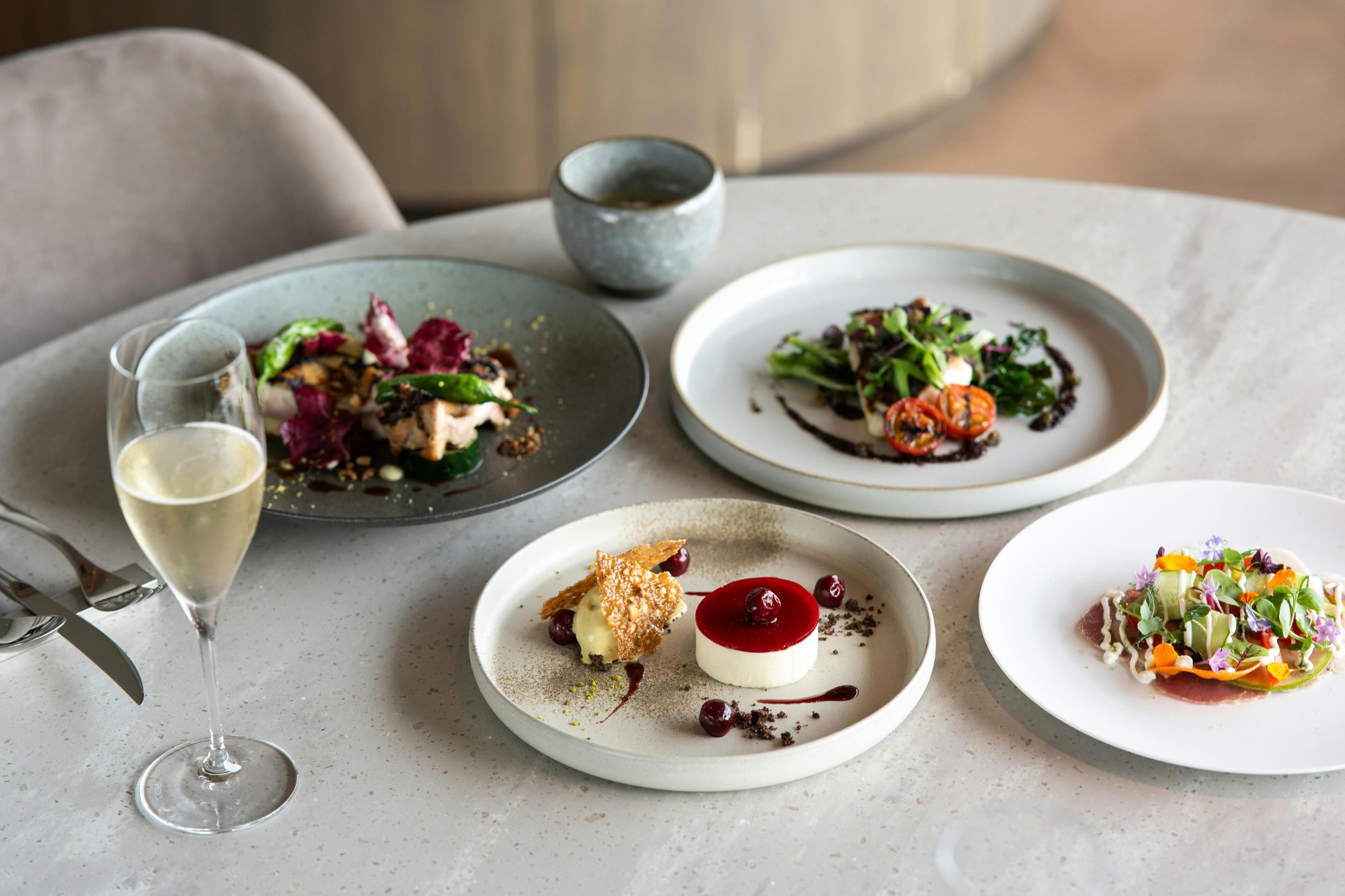
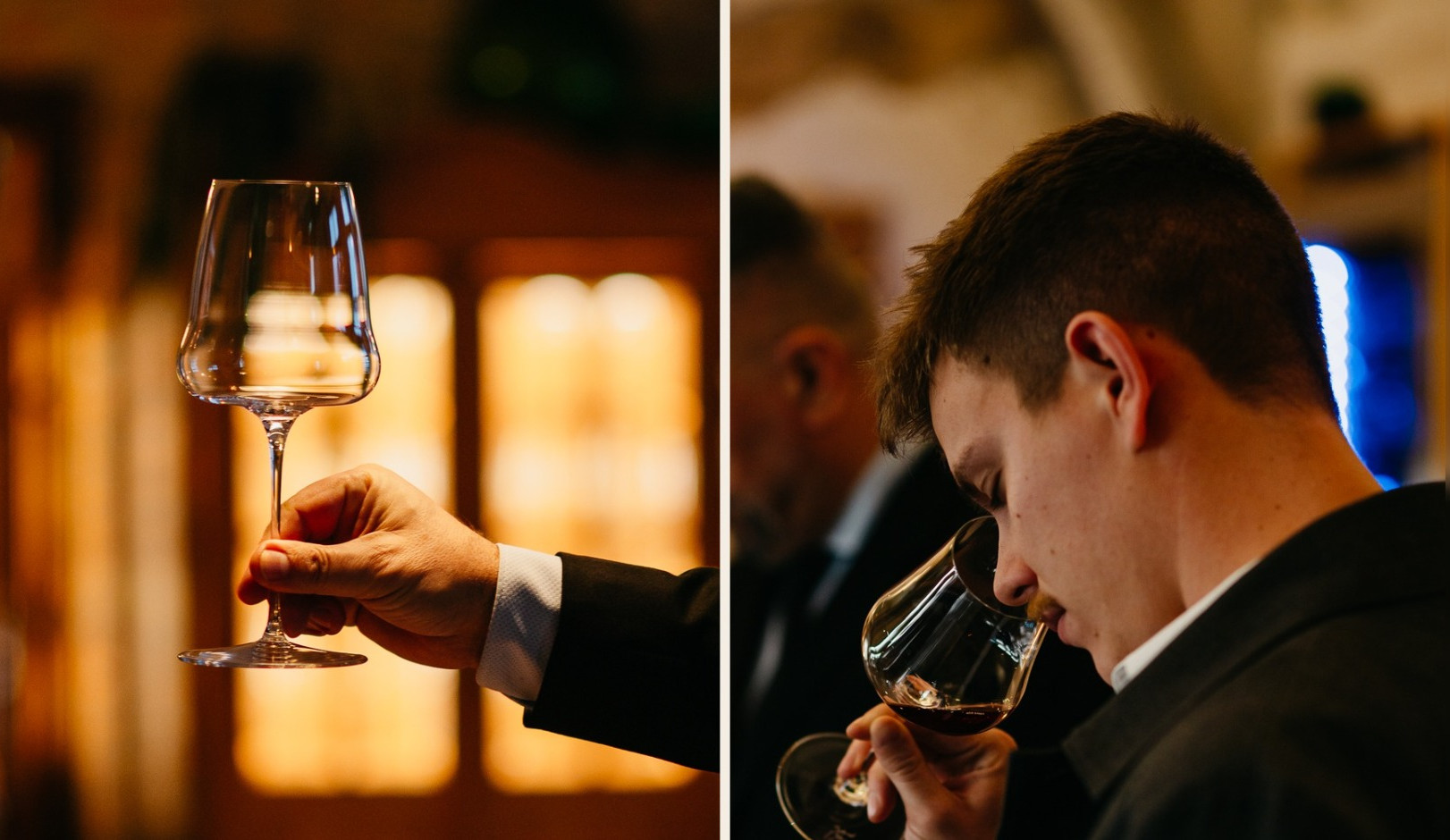
A proper wine list featuring at least a few high-quality wines is still rare in Slovakia, and the same goes for wines by the glass. Restaurants often argue that “people don’t drink wine,” but according to Ondriš, that’s precisely because they have nothing appealing to choose from.
Since wine is an essential part of gastronomy, inspectors place great importance on it — and there’s significant room for growth. The solution is simple: reach out to a distributor or sommelier, who will often help set up the wine list, supply the wines, and even train the staff — free of charge. It’s a win-win: the restaurant increases revenue, and guests receive better service and higher quality, whether it’s a rustic tavern or a fine dining venue.
As for spirits, menus tend to feature the same familiar names. “It’s great that some restaurants are already moving in the right direction, collaborating with local producers — such as small distilleries or breweries. Another rising trend is non-alcoholic pairing, which is huge internationally and allows for great creativity. But in Slovakia, only a few restaurants are doing it so far,” says Ondriš.
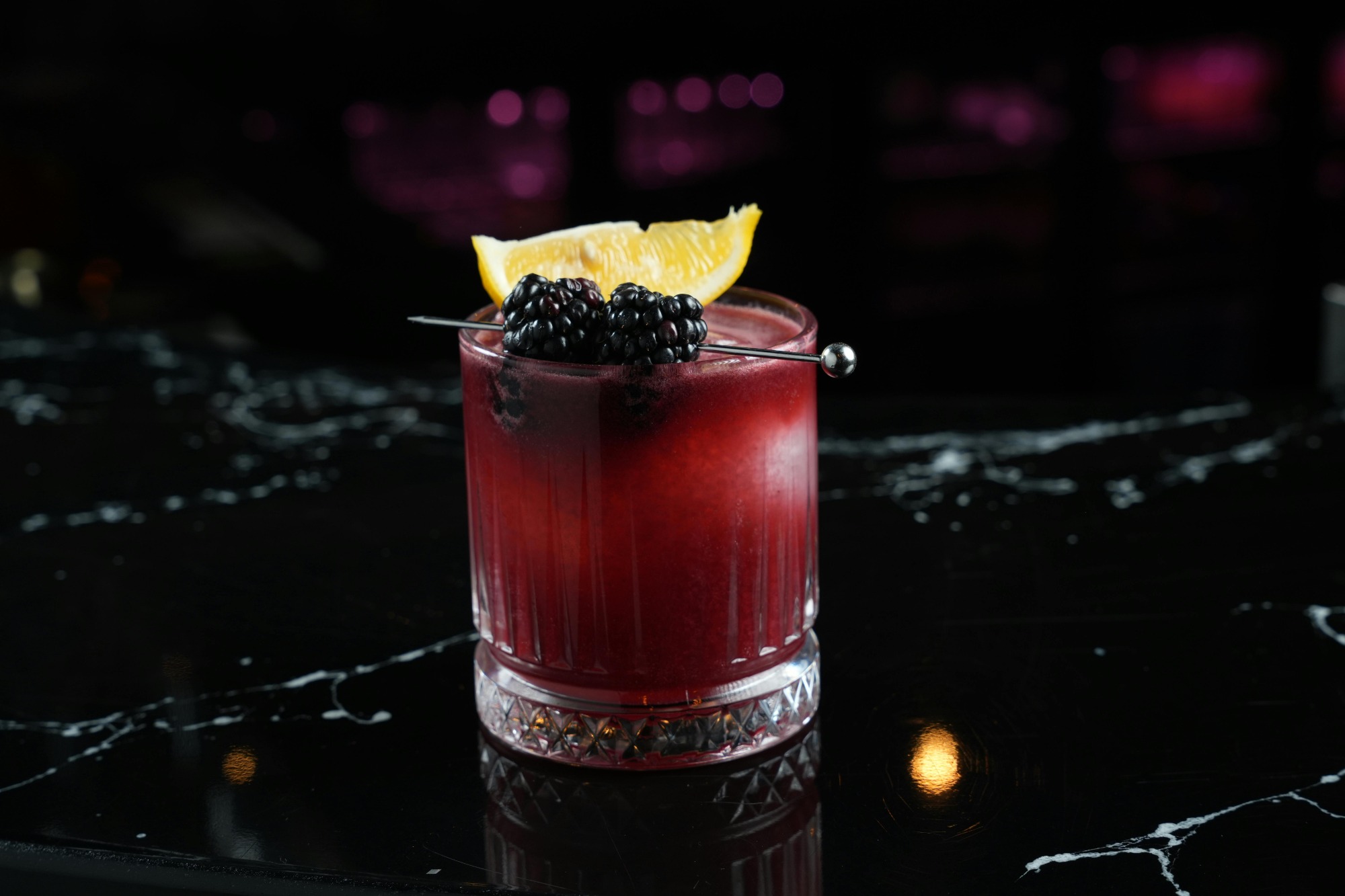
“Even the best food can’t fix a bad impression from unfriendly service — but perfect service can redeem a dish that’s not quite right,” says Ondriš.
So where can servers most often improve? According to inspectors, it’s in their knowledge of food and wine, and in their ability to confidently recommend what a guest should order. This is, of course, a deeper issue — the responsibility lies mainly with owners and managers, who should ensure continuous staff training.
Inspectors also evaluate staff awareness of the dining room, attentiveness toward guests, and the ability to read the mood at the table and adjust their approach accordingly. Even the moment of saying goodbye matters. “Even in the best restaurants, I sometimes see guests who seem to stop existing after dessert. You need to pay attention to them until they actually leave,” Ondriš reminds.
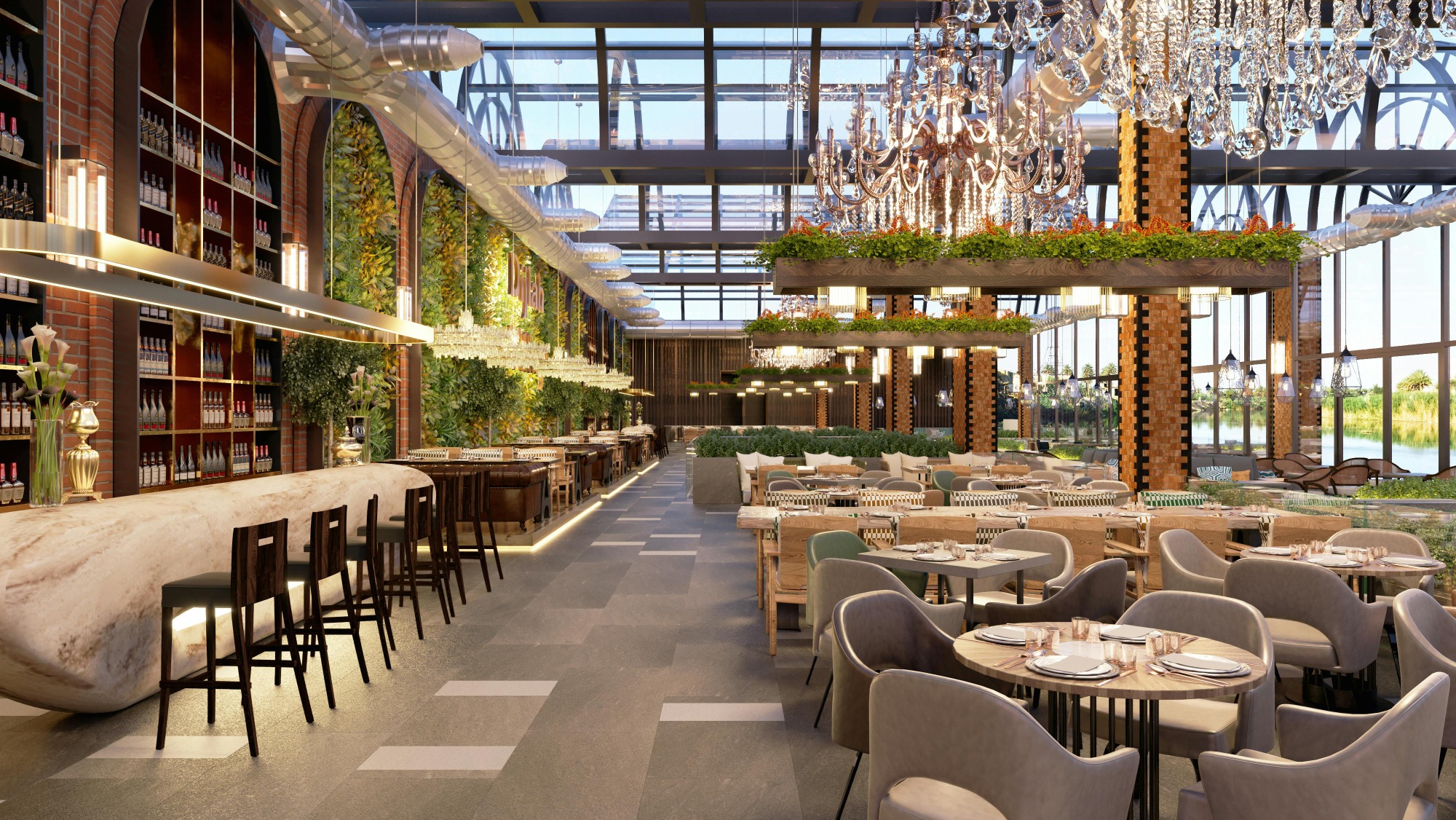
Inspectors assess everything — from comfortable seating and glassware quality to clean cutlery, lighting, and background music volume. This is where even restaurants with flawless food can lose points.
“When it comes to lighting, beyond creating atmosphere, it’s important to remember that whether we like it or not, we live in the age of social media — and good lighting is a must,” says Ondriš. Clean, pleasant restrooms are also essential. And one more rule: Spotify with ads or commercial radio stations are absolutely out of the question.
While marketing isn’t part of the formal evaluation, inspectors have noticed that many restaurants lack basic information on their websites or social media — a needless mistake that costs them guests. Poor photography or impersonal communication are common issues as well.
Personalized videos, behind-the-scenes content from the kitchen, and introductions of chefs and staff make a great impression and strengthen the connection with guests.