October 14, 2026


When you arrive at a DoubleTree by Hilton hotel anywhere in the world, you receive a warm chocolate cookie. A small gesture suggesting that hospitality hasn't disappeared quite yet.
In Bratislava, this hotel opened in 2011 during the Ice Hockey World Championship. Since then, it has lived through the transformation of Bratislava's gastronomy scene, the rise of boutique hotels and a pandemic.
General Manager Jakub Majcin tells us how guests have changed over that time, what humanity means in hospitality, and how he understands the concept of being a good host.
What does the famous cookie symbolise for you?
The warm cookie we give guests at check-in is an iconic element of the DoubleTree by Hilton brand. At the same time, it symbolises our approach to hospitality - creating a pleasant feeling for the guest from the very first moment of arrival. It's a simple gesture that expresses attentiveness, warmth and a genuine effort to make the guest feel comfortable and at ease.
How does that translate into the team's everyday practice?
For us, it's a combination of professional service and a natural human approach. Guests expect a high standard of service, but the atmosphere, communication and the team's ability to respond flexibly and authentically matter just as much. We believe that quality hospitality is built not just on processes, but above all on people and the way they approach each guest.
The hotel opened in 2011. What has changed most in Slovak hospitality since then?
Guest expectations have changed most significantly. Today's guests are better informed, travel more and naturally compare services in an international context. There has been a marked increase in demand for personalisation, flexibility and an overall experience. On the other hand, what matters most hasn't changed - quality hospitality is still built on a professional and genuine approach from people.
Where is the line between a global chain's standards and the hotel's own identity?
International standards give guests confidence and consistency of service. The hotel's identity, however, is shaped by its people, atmosphere and local character. The standard is the foundation - but the way a hotel can translate it naturally into everyday practice is what creates the real guest experience.
What has worked well when doing things your own way?
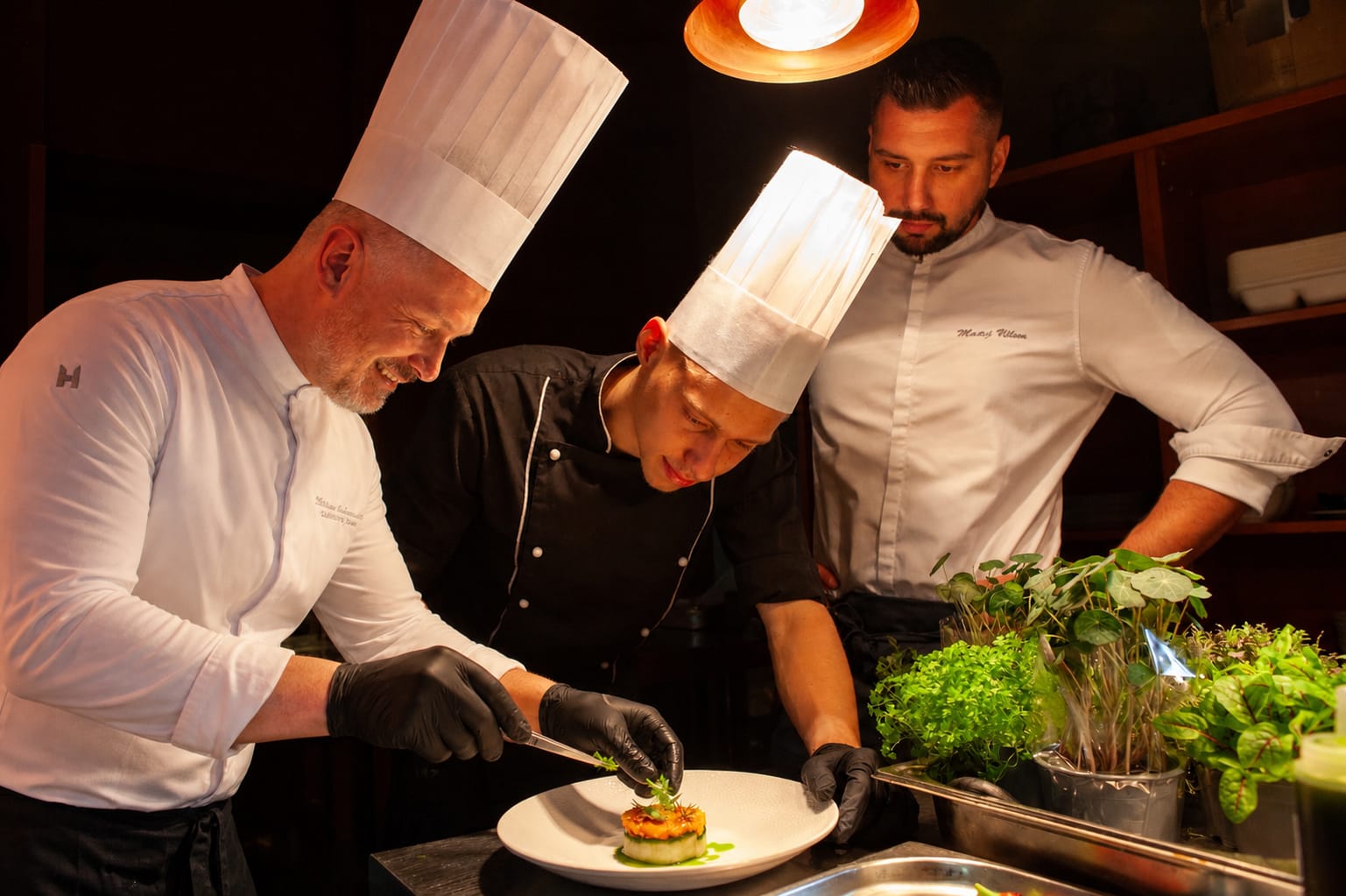
What matters to us is connecting a professional hotel environment with support for young talent, the local community and our own concepts. One example is the restaurant CLOUD, which grew out of a student project and gradually established itself as a respected gastronomic venue. The Chef's Table Junior project works in a similar spirit - students get the opportunity to present their own menus under the guidance of an experienced team.
Can you describe a situation where your team went beyond the standard?
In hospitality, it's often the situations you can't plan for that matter most. During major international events or summit meetings, the team has to respond quickly, calmly and flexibly. We frequently handle individual guest requests or organisational changes in real time. The team's ability to maintain professionalism and find solutions even in demanding moments is, for us, an essential part of hospitality.
What is the first thing you look at when assessing the quality of your team?
The most important thing is the approach to the guest and the ability to function as a team. Hospitality is a dynamic environment where collaboration and mutual support are essential for maintaining service quality over the long term.
How does dual education work in practice?
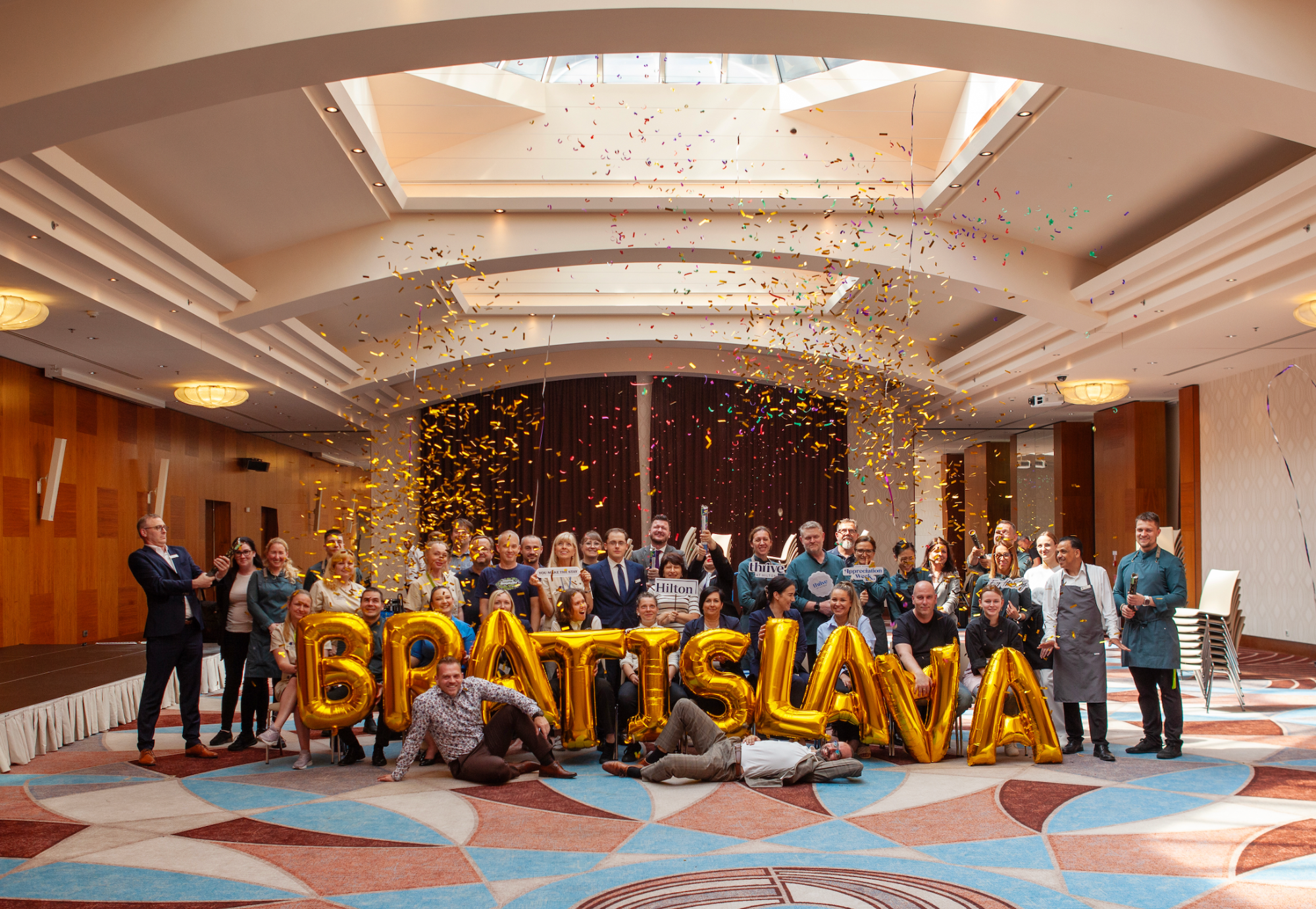
We pay close attention to working with students within both dual and standard education programmes. It's important to us that they have the opportunity to experience a real operation and understand what hospitality actually involves in practice. Students gain hands-on experience, exposure to a professional environment and the possibility of career growth. For the hotel, it is a natural way to work with future colleagues over the long term and pass on experience to the next generation. Many of them stay with us after finishing school, which we see as the result of long-term collaboration and an environment that gives them room to grow.
What decision regarding people has proven most important over fifteen years?
Long-term work with a stable team and creating space for people to develop. It has become clear that continuity, trust and a professional environment carry great significance over time - not just for how the team functions, but for the overall guest experience as well.
Why does the hotel engage with culture, charity and the community?
We see it as a natural part of modern hospitality. A hotel shouldn't operate in isolation from its city, but be an active part of the environment it exists within. Alongside everyday operations, we therefore take part in projects focused on supporting young talent, community and charitable activities and environmental initiatives.
What does support for the arts look like in practice?
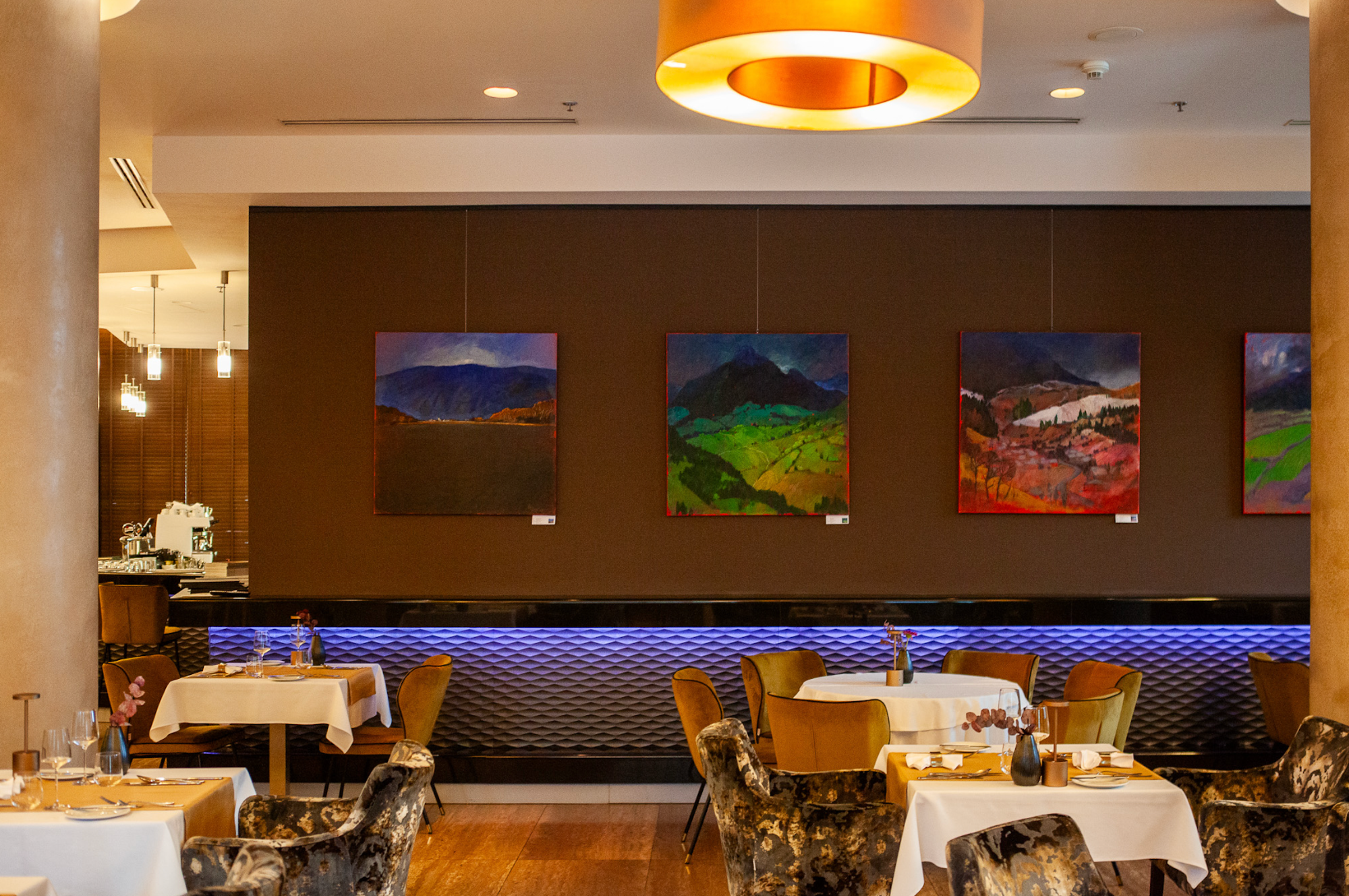
Supporting art and creativity is a natural part of the hotel's atmosphere. We have long-term collaborations with Slovak artists whose work enhances our spaces and brings guests into contact with contemporary Slovak culture. We don't see art as a static interior element, but as a living part of the space that changes regularly and naturally shifts the atmosphere of the hotel. Guests can enjoy paintings, sculptures and other works by Slovak artists over dinner or a glass of wine - pieces that rotate on an ongoing basis. Support for young talent and fresh perspectives is equally important to us - whether in art, gastronomy or hospitality. That is also why projects like the restaurant CLOUD and Chef's Table Junior came about, giving the younger generation space to develop their own ideas and creativity.
How does the hotel's relationship with the nearby stadium and the sports community work?
The connection with the sports world has felt natural since the hotel's opening during the Ice Hockey World Championship in 2011. The proximity of the stadium and major sporting events has given us valuable experience in organising international events and working with a diverse clientele.
What is the philosophy behind your gastronomy?
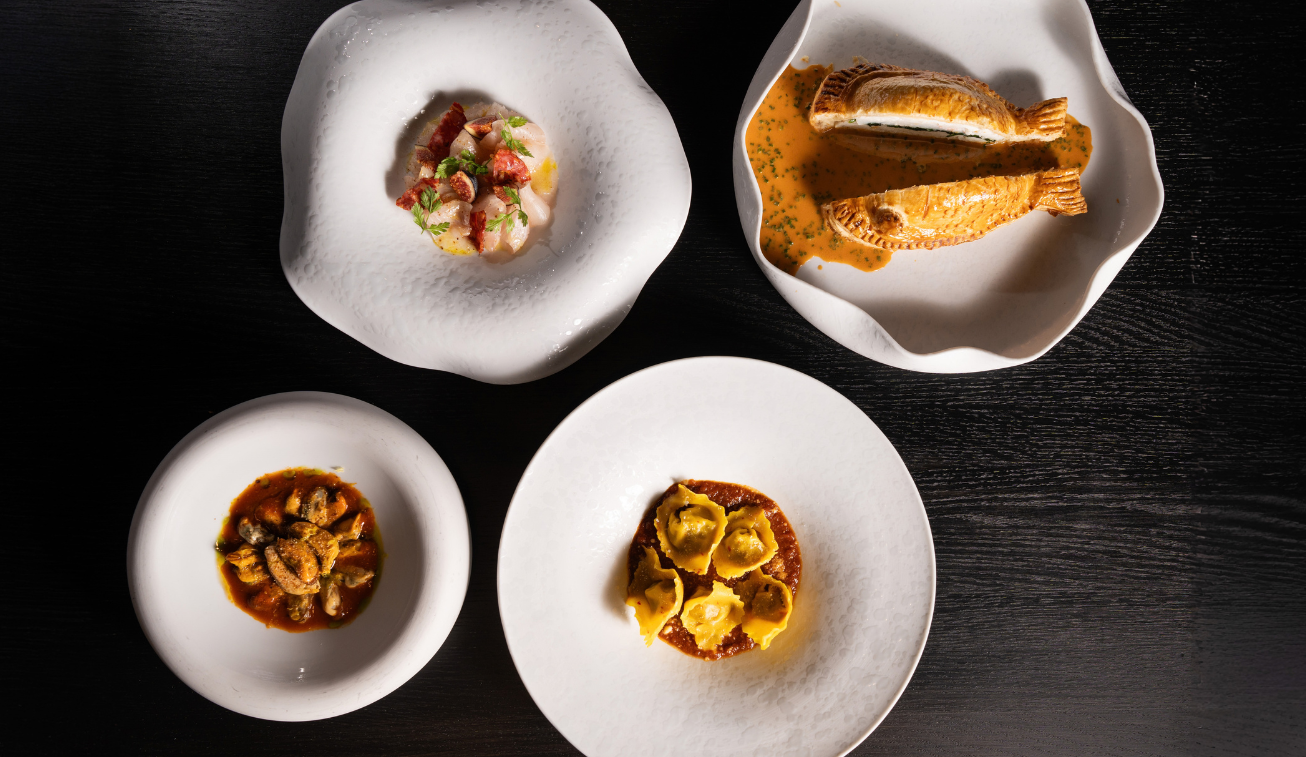
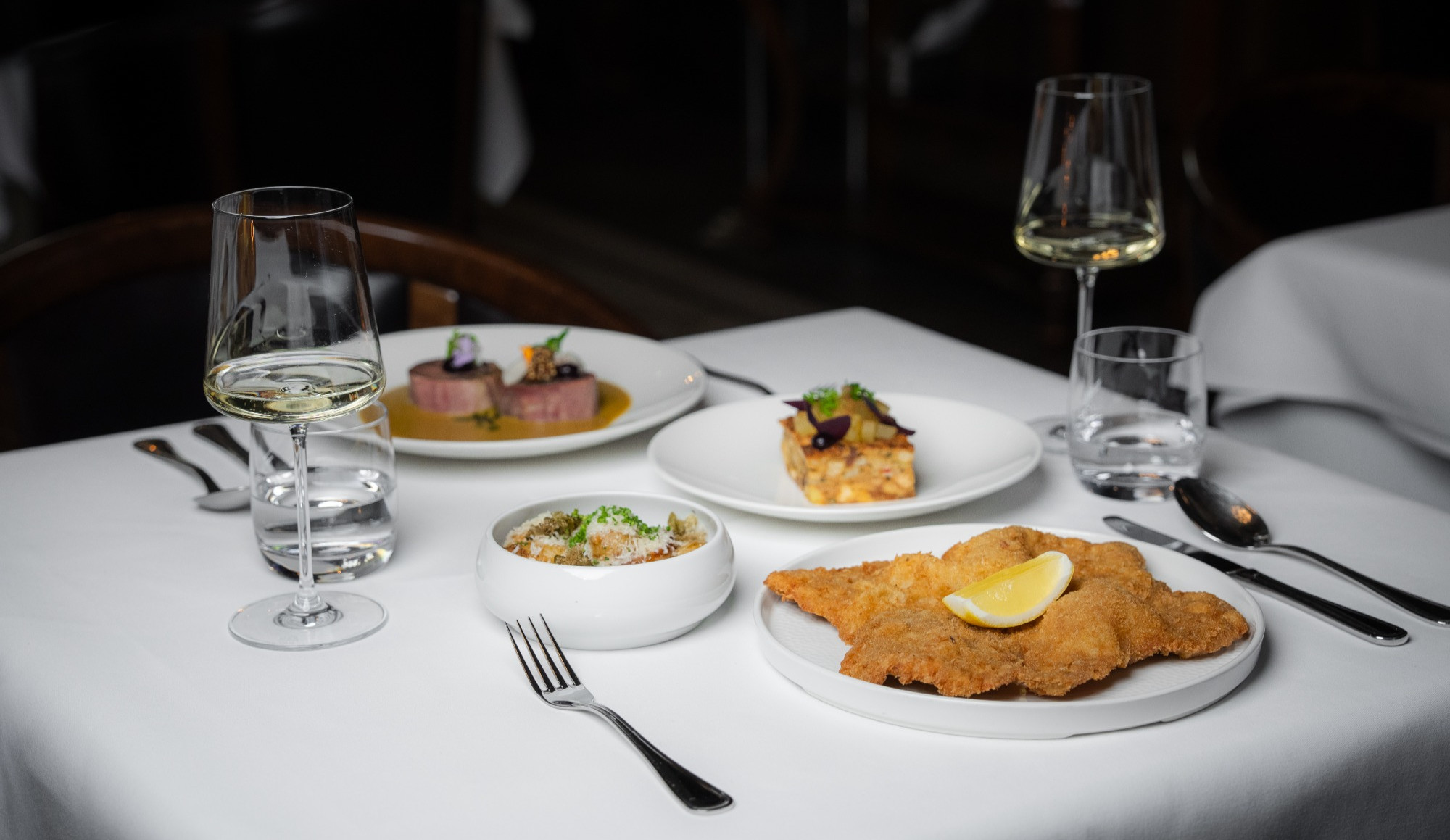
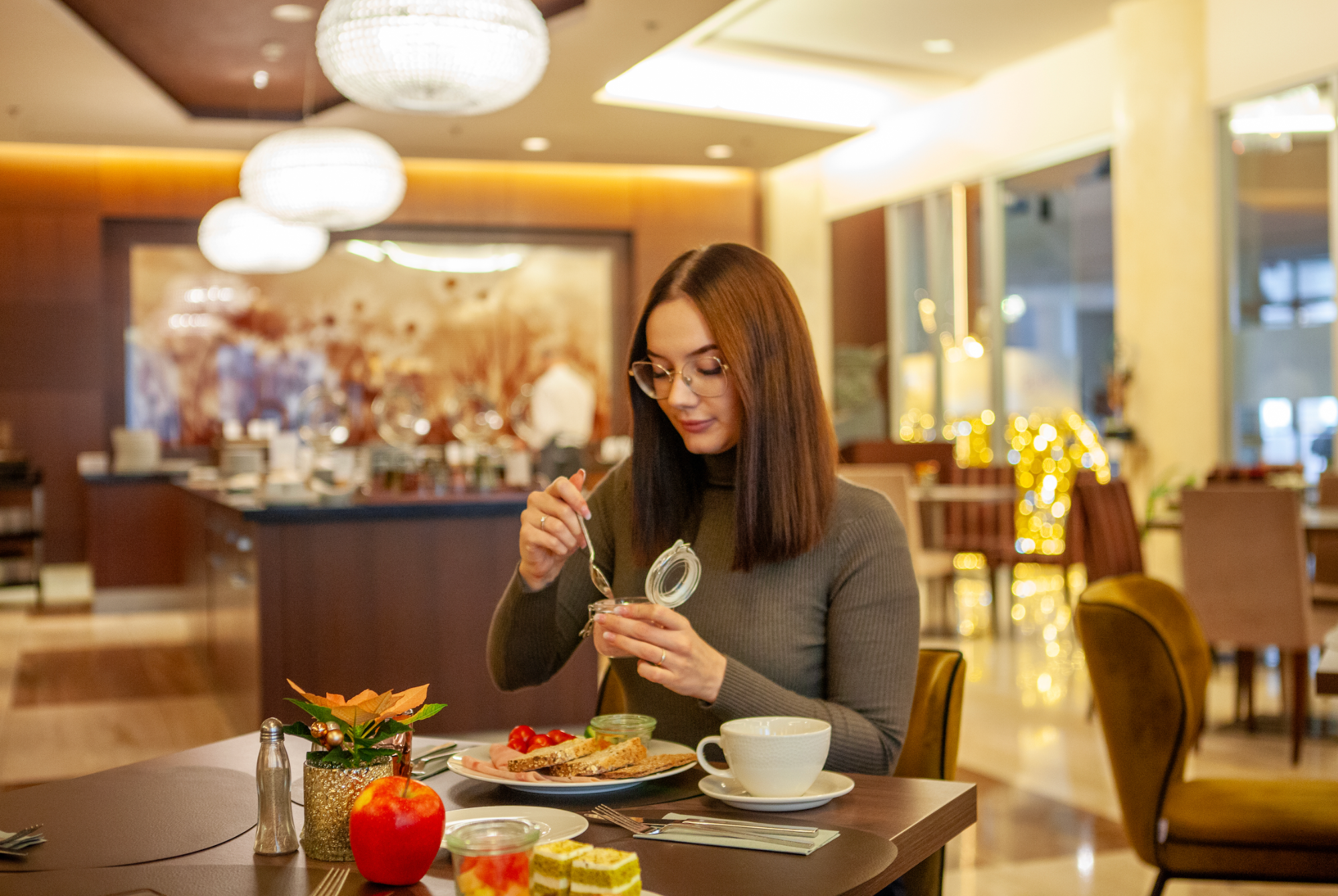
The hotel offers two distinct gastronomic concepts. Restaurant OPUS is focused primarily on breakfast service with live cooking and a selection of local and international dishes. Restaurant CLOUD is the hotel's main gastronomic stage and has consistently maintained high ratings in gastronomic guides. The consistent level of quality is the result of systematic work by the team and a focus on detail. CLOUD also grew out of a student initiative that the hotel gradually developed and shaped professionally. The Chef's Table Junior project builds on this same philosophy, giving students the opportunity to present their own menus under the guidance of an experienced team.
Head chef Milan Lukačovič and his team place emphasis on local ingredients, seasonality and a modern approach to gastronomy, while the ability to respond to individual guest expectations remains an equally important part of the work.
What do you see as the most common mistake in Slovak hospitality?
The importance of people and company culture is frequently underestimated. Technology, design and infrastructure all matter, but hospitality is above all about approach and consistency. Guests very quickly recognise the difference between service that is merely performed correctly and service driven by a genuine interest in the guest.