October 14, 2026


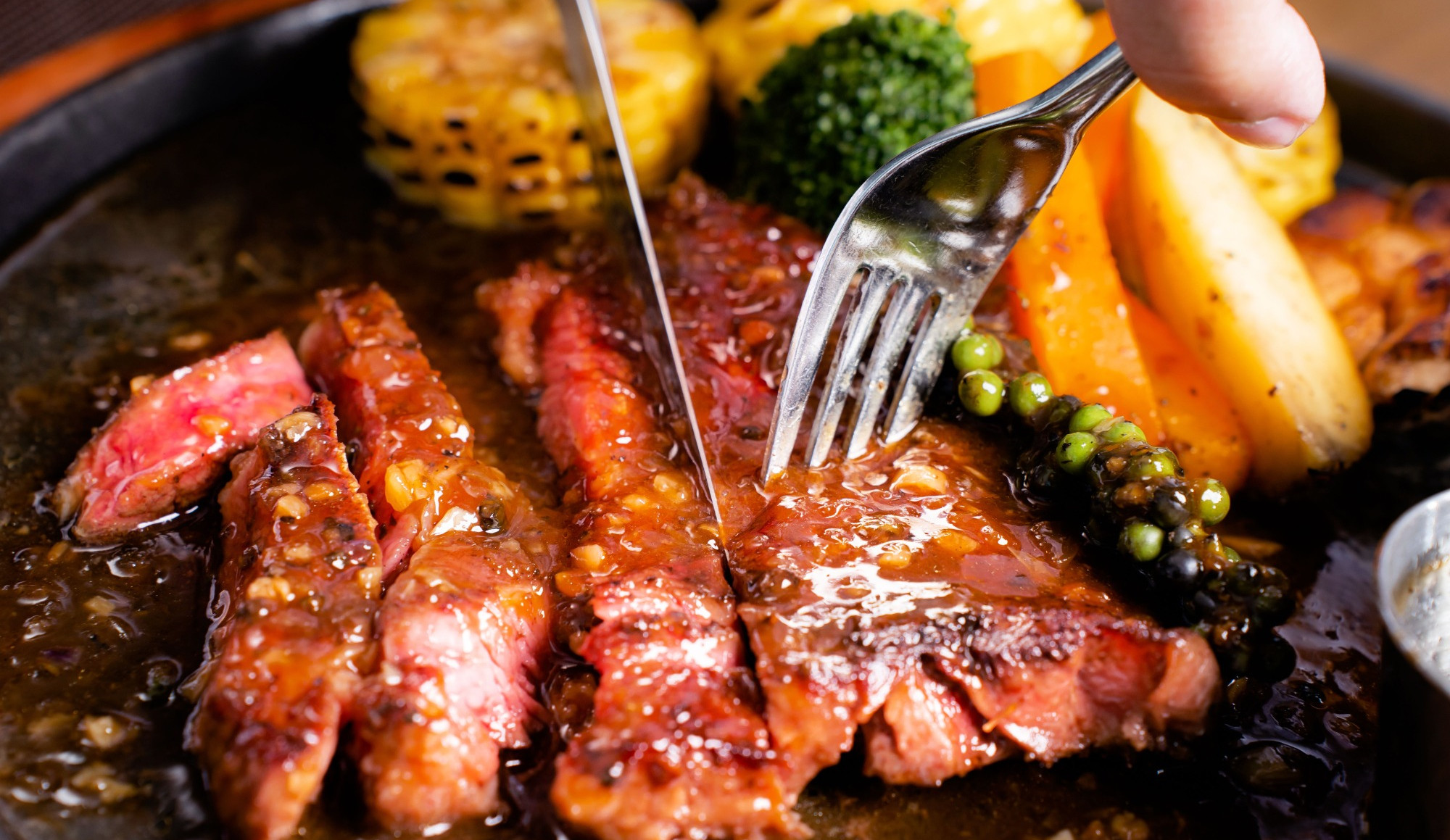
Rio, on Hviezdoslavovo Square in Bratislava, is known to guests as a place built around quality meat, a good drink, and an evening steeped in the atmosphere of the Old Town. Its kitchen gives pride of place to premium beef, in-house dry-ageing, A5 wagyu from Japan, and select American cuts.
Today's Rio, however, shows that a restaurant founded on a strong butcher's craft need not stop at the expected. It can be a culinary space where fire, seasonality, fermentation, umami, Japanese precision, and world-class experience all meet.
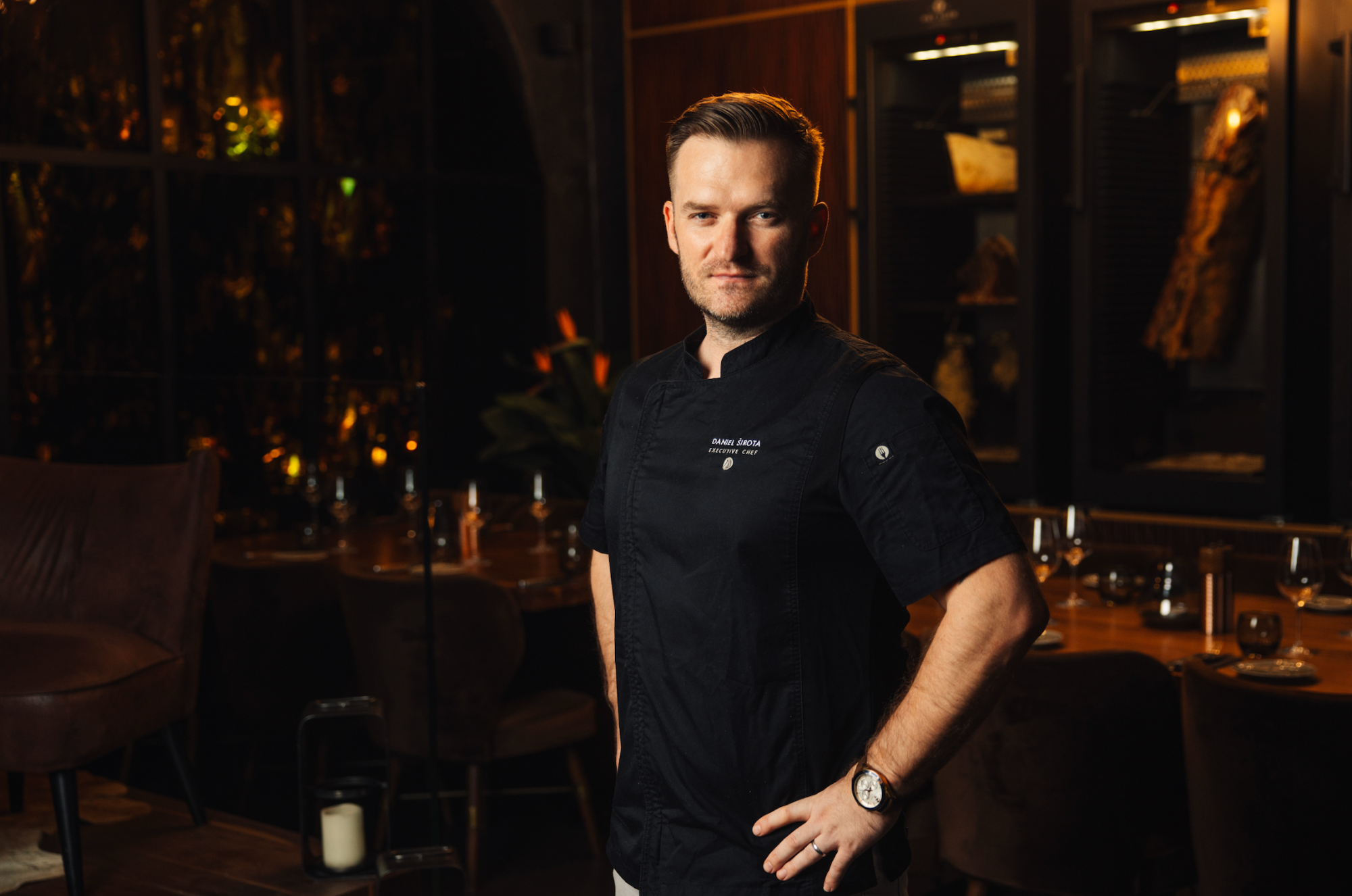
Behind the kitchen's current direction stands Brand Chef Daniel Širota, who returned to Slovakia after three years in Dubai with a different view of what a modern restaurant focused on premium meat can be. Not one that denies its own identity, but one that widens it.
We talked with Daniel about what Dubai gave him, what he missed there, why he came back valuing seasonality even more, and how those experiences found their way into the menu at Rio.
After three years in Dubai, you've returned to Slovakia. What did that experience teach you as a chef?
Dubai changed me. When I left, I was a different chef from the one who came back. For three years I worked there as International Executive Chef, and I had the chance to be part of one of the most dynamic dining scenes in the world.
There are more than 13,000 restaurants in Dubai. Most of them are good, several hundred are very good, and a small percentage operate at a level that redefines what a kitchen is even capable of. For a chef, it's an environment with no creative ceiling. Open kitchens, large teams, guests from all over the world, fierce competition, and at the same time the freedom to try things that might seem bold elsewhere.
But what Dubai taught me most was to look at food not through trends or techniques, but through experience. The best restaurants there aren't defined by one particular cuisine. They're defined by their own point of view.
Which restaurants or concepts influenced you most there?
There were several. One very strong experience was Manao, for instance — a small place with around thirty seats, where Indian and Thai cooking meet fermentation, Michelin-level precision, and a story behind every course.
Then Dinner by Heston Blumenthal at the Atlantis hotel, where I experienced a special thirteen-course menu marking thirty years of The Fat Duck. That was an absolute tour de force of technique, storytelling, and precision.
But the concept that, to my mind, comes closest to Rio in the way it thinks about fire is 11 Woodfire. It's a Michelin restaurant built entirely on cooking over fire. No gas, no induction — just flame, smoke, and instinct. That rawness raised to elegance is something I want people to feel at Rio too.
What from Dubai's food scene made its way most into Rio's current menu?
Above all, a way of thinking. In Dubai I realised that fusion isn't about mixing two cuisines to create an effect. Fusion earns its name only when both traditions are respected. If you don't know why you're using a particular ingredient, you shouldn't be using it at all.
The influence of Japanese-Peruvian fusion, umami cooking, and fermentation is very strong there. Miso, mirin, sake, yuzu, aji amarillo — these are no longer exotic ingredients, even in Slovakia. The better restaurants added them to their vocabulary long ago. The difference is in how you work with them. Dubai gave me fluency. Not just knowing what these ingredients do, but knowing when to stop.
At Rio I don't want to build on effect. I want the guest to feel they've come to a restaurant with a distinct identity, and yet discover something they didn't expect.

Guests associate Rio above all with premium meat. How do you widen that identity without losing it?
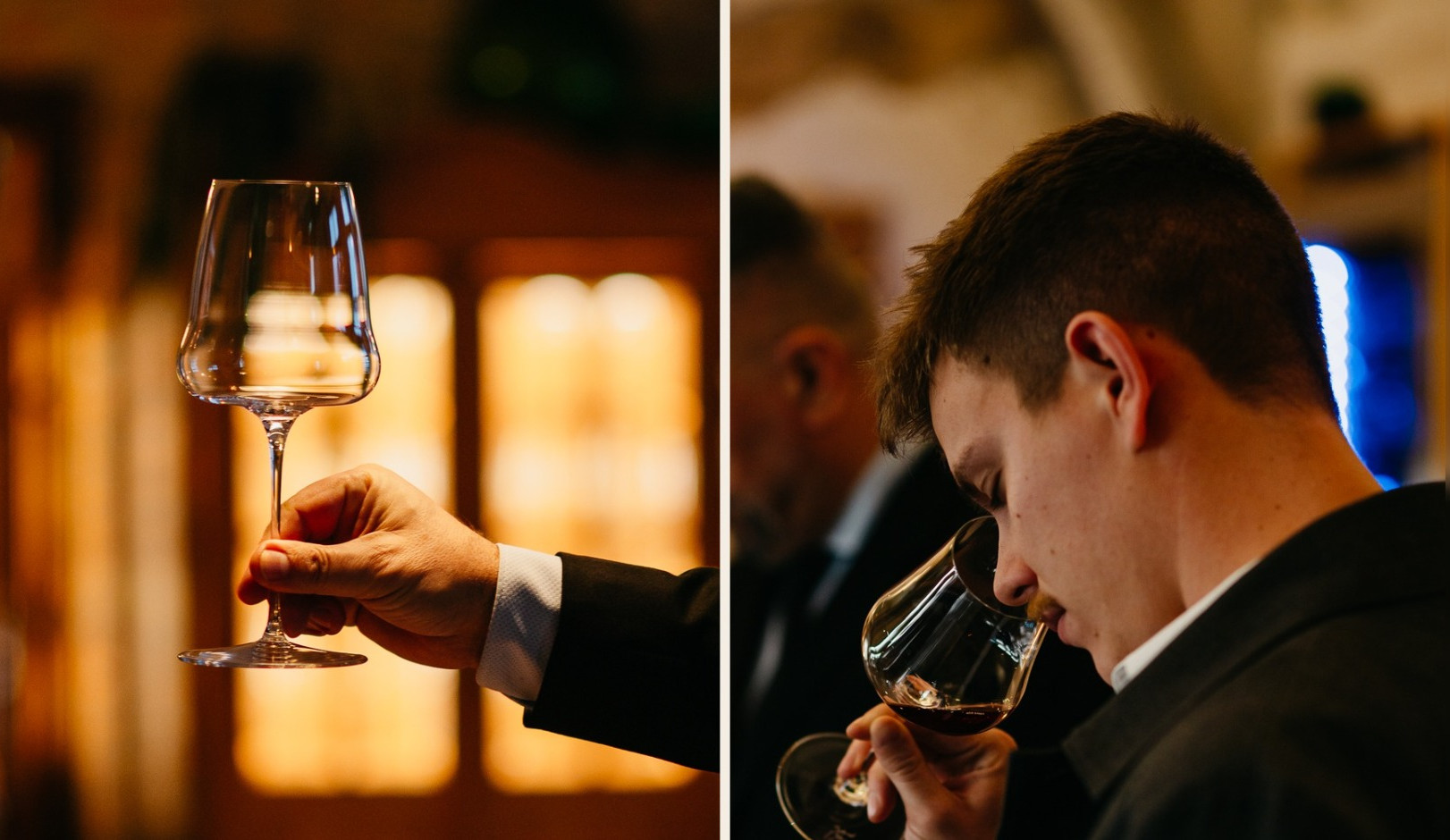
Premium meat is an important foundation for Rio. Wet and dry ageing, our own dry-age fridges, A5 wagyu from Japan, American cuts, the atmosphere, the wine, the drinks — all of that stays.
But a restaurant with a foundation like this doesn't have to be predictable. In Dubai I saw that the most interesting places aren't defined by what they're "supposed to be," but by how they think.
For me, today's Rio is largely built on a strong identity that guests expect. At the same time, it leaves room for surprise — new flavours, fermentation, contrasts, work with fire and detail. And when it works, when a guest takes a bite and pauses for a moment, that's the whole point.
Dubai is a world of unlimited possibility. What, by contrast, did you miss there?
Seasonality. And I only realised it after some time.
Dubai is extremely ambitious, but it doesn't have natural seasons the way we know them in Europe. A lot of ingredients are imported, cultivated, or maintained under artificial conditions. Paradoxically, some imported products work out cheaper there than here, even once you factor in transport. But no logistics can replace real European seasonality and local quality.
I didn't miss one particular ingredient. I missed the anticipation. The fact that in Bratislava winter tastes different from summer. That some things you have to wait for. That the season dictates the menu in a way that forces a chef to be creative.
Dubai made me a better chef. But home is where food has a story of its own.
So how do world experience and the Slovak setting meet at today's Rio?
In the fact that Rio brings two worlds together. On one side, international experience, modern techniques, fermentation, umami, and inspiration from the best restaurants in the world. On the other, respect for seasonality, quality ingredients, and craft.
I don't want the menu to feel like a display case of exotic ingredients. I want it to make sense. For every flavour to have a reason. For the guest not to feel overwhelmed, but to gradually discover new layers over the course of the evening.
Rio should be a place you come to for excellently prepared meat. But you stay for what surrounds it.
If you were to walk a guest through Rio's current menu, where would you begin?
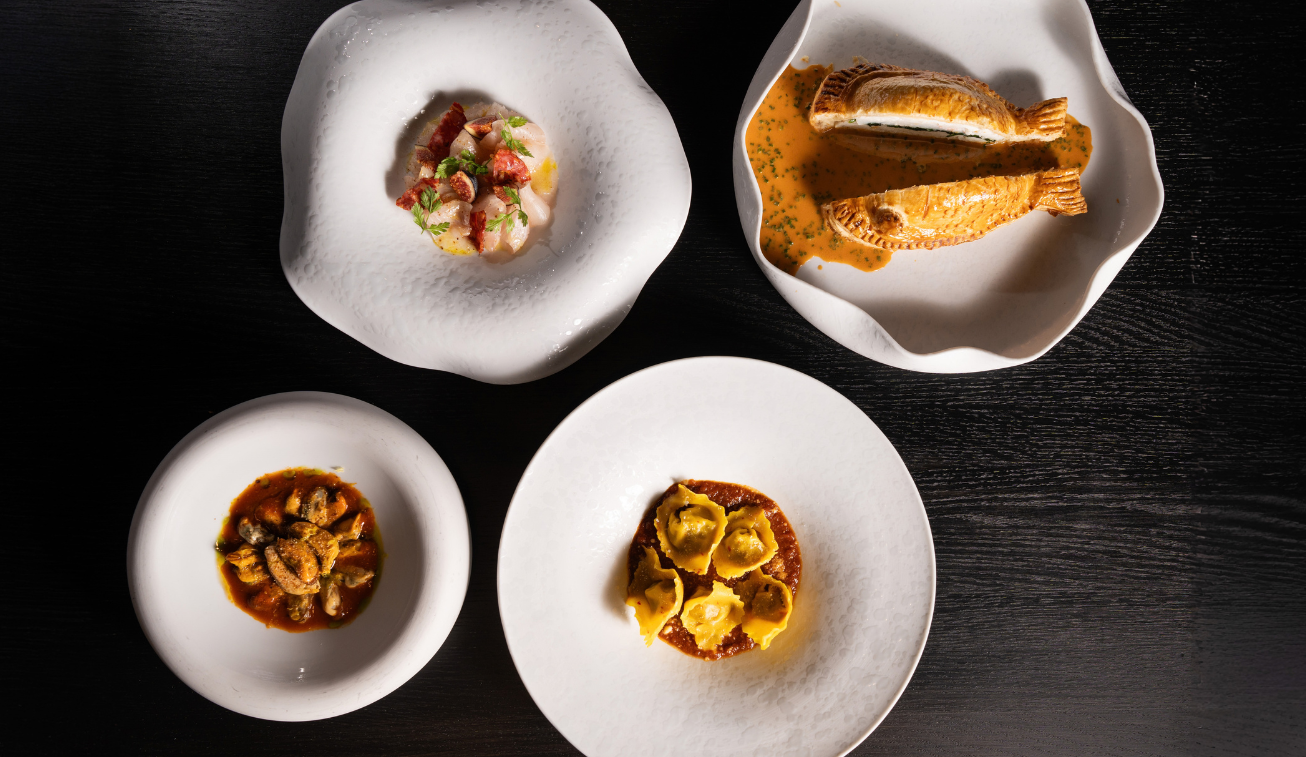
To start: tuna carpaccio with yuzu kosho.
The star of this dish isn't the tuna. It's the yuzu kosho — a fermented Japanese paste of chilli peppers and the zest of yuzu citrus. In Dubai I used it routinely; it was easy to get. In Bratislava I make it myself, and the fermentation takes weeks. The result is a hit of umami, heat, and citrus freshness that cuts through the richness of the raw tuna in a way nothing else can.
This is a dish that tells you straight away: this isn't the standard Rio you might know only through meat. It's the beginning of a wider story.

Which dish on the current menu best captures your view of cooking today?
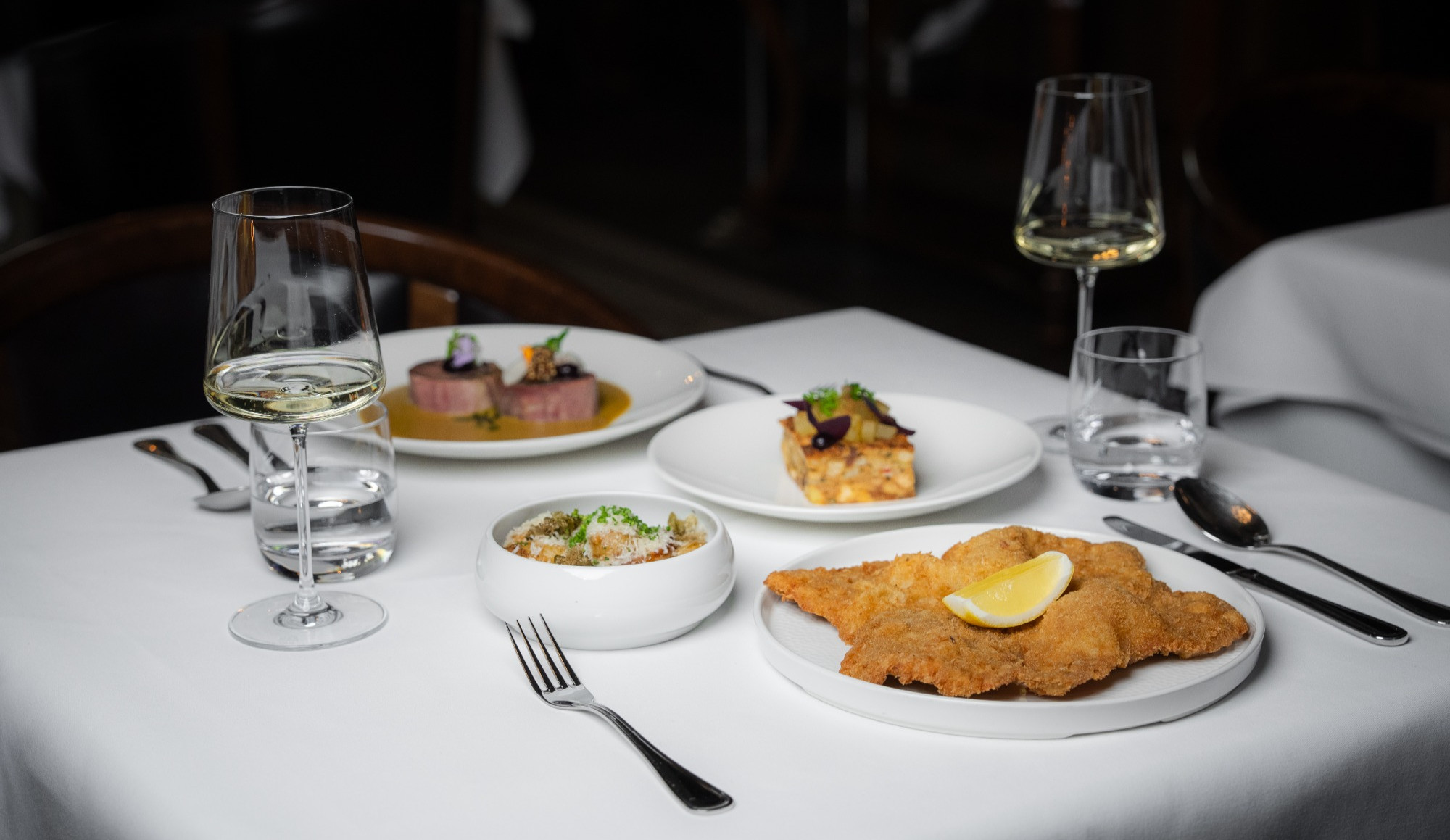
Main course: duck breast — carrot three ways.
This is the dish I'm proudest of on the current menu. Duck breast, cooked to perfection, served with carrot in three forms: a purée with aji amarillo chilli, carrot pickles in a bath of ginger, soy, and anise, and grilled carrot glazed with miso.
The sauce is built on Grand Marnier liqueur. At first hearing, the combination might seem unexpected, but the moment you taste it, all the flavours link into one considered whole. It's warm, layered, and slightly unpredictable. Exactly the way I like food.

And the dessert? By its name alone it already reads like a journey between continents.
Dessert: From Madagascar to Japan.
I'll be honest — this was my biggest experiment. Vanilla ice cream from Madagascar meets miso caramel from Japan, pickled ginger, sesame crumble, yuzu gel, dried edible flowers, and lime crisps.
On paper it sounds like a provocation. On the palate it's a conversation: sweet, salty, sour, bitter — all four tastes arrive and somehow come to an agreement.
If someone at your table orders it nervously, let them taste from yours first. They'll order their own.

What would you like a guest to take away from an evening at Rio?
That they came to a restaurant with a clear identity, but experienced more than they might have expected.
Rio doesn't need to pretend it's something else. Quite the opposite. The more firmly it stands on its foundation, the more it can afford to surprise. I want guests to feel the quality of the ingredient, the work with fire, the seasonality, the craft, and the small moments they may not have seen coming.
I didn't go into cooking because I love food. I went into it because kitchens are honest places. The result of your work is immediate, visible, and there's nowhere to hide.
After years abroad, I came back to Slovakia with a clearer sense of what I believe in. That great ingredients deserve restraint, not showmanship. That fusion has meaning only when it's built on respect. And that a restaurant in Bratislava's Old Town can be a serious culinary destination without denying what it is.
Rio is that place. Come for perfectly prepared meat. Stay for what surrounds it.