October 14, 2026


Clothes make the person – including chefs and waitstaff, for whom a lot is at stake. Their working days often last up to 16 hours, so comfort is essential. At the same time, their clothing has to look good. And it has to last. Somewhere in this equation comes in the Slovak company WorkZone, which has been dressing Slovak gastronomy professionals for 25 years and helping turn clothing into a coherent concept.
“It’s not just about picking a chef’s jacket from a catalogue. We’re here to understand the space, the architecture, the light. If chefs are visible from the restaurant, guests notice them and judge them. Properly chosen clothing helps set up non-verbal communication between staff and guests,” explains company director Peter Vašíček. When chefs are well dressed, people tend to trust them more – and in the fine dining world, expectations are naturally the highest.
For example, at the restaurant Arte in Svätý Jur, where the kitchen is directly visible through a marble counter, the team has been wearing WorkZone clothing for the third year now. It still looks like new.
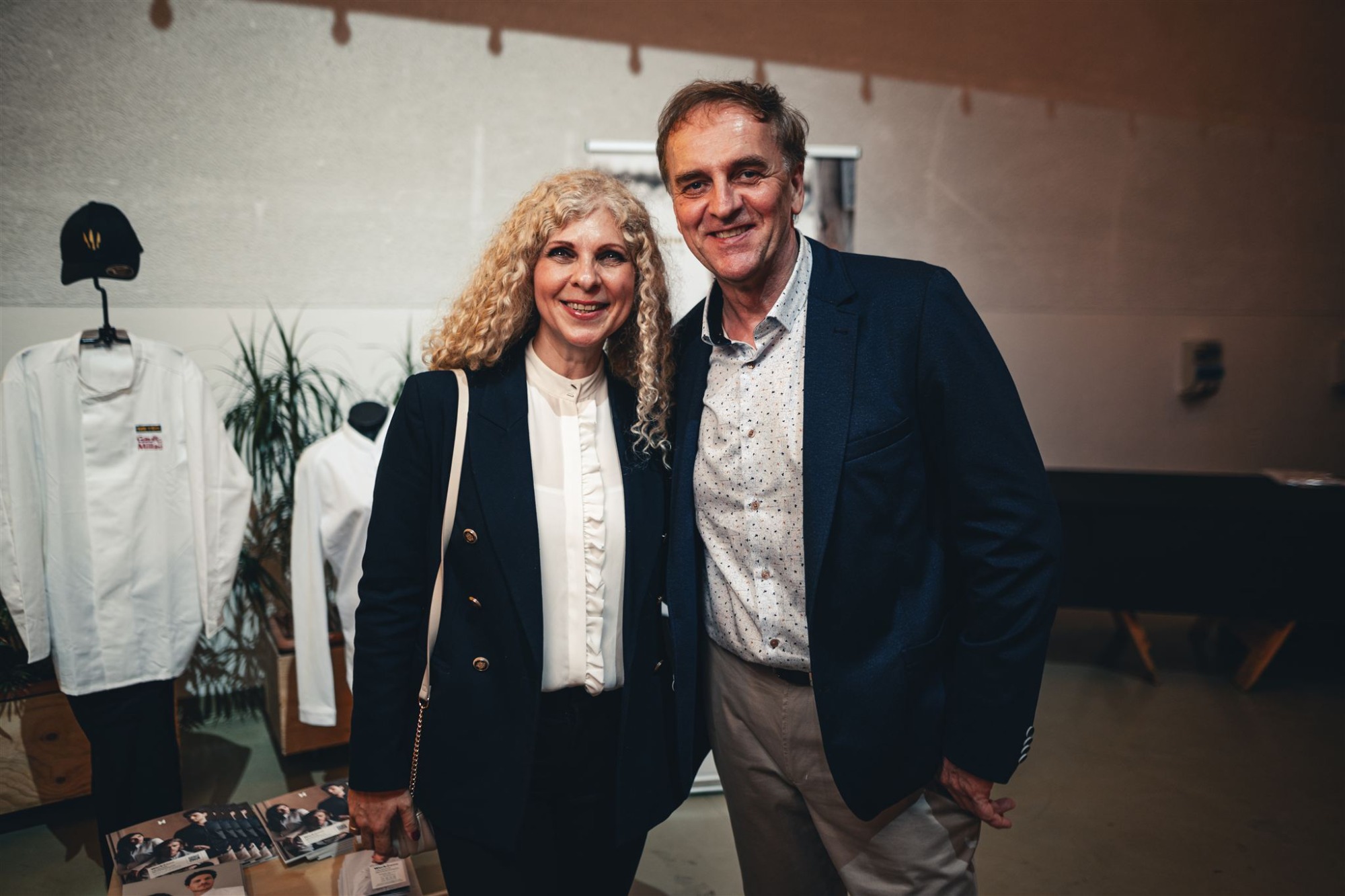
The professionals at WorkZone always emphasize to clients that it’s better not to choose clothing from an e-shop without consultation. Before they start designing staff uniforms, they need to understand the needs of the operation, the budget, and the restaurant environment itself – with personal consultation being the best approach. Only then do high-quality, individual designs come into play.
This is well illustrated by the experience of a top restaurant in Prague, whose manager approached WorkZone. He asked them to help design modern yet coordinated clothing for chefs and front-of-house staff as part of a completely new restaurant concept with an open kitchen. WorkZone brought samples to a meeting attended by management, the head chef, and the chefs themselves – and the choice was made on the spot.
“Based on images alone, they wouldn’t have fallen in love with any chef’s jacket,” Vašíček explains. During business trips, they often spend one to two hours with clients, first trying to understand how the restaurant is laid out, whether chefs are visible, and what the architecture is like. For example, a pizza maker struggles with a sweaty chest while standing by the oven – but the moment he turns around, the air conditioning “attacks” him. That’s why layered clothing is appropriate.
Chefs also often move straight from a hot kitchen into freezers. In such conditions, clothing can “stiffen,” and these temperature differences can lead to health issues. “That’s why it’s important to have clothing that reflects these specific needs as well,” says Vašíček.
“We absorb their problems. We’re empathetic toward their craft, which is very demanding – it can easily be a 16-hour job.”
When clients come to the WorkZone showroom, they often spend several hours there, jointly creating the final form of the clothing. First, they go through their ideas, then propose solutions, and finally the staff test them – it’s essential that they try the clothing on and feel whether the size fits. “We already know many of our gastronomy clients, so we often know what we can offer them. The rest is just about fine-tuning colors and material quality,” explains Vašíček. “Sometimes there are even amusing situations – a restaurant manager mentions the name of their head chef and we already know what size he’ll need.”
Attention is paid even to the smallest details, such as the placement or font of the brand on a jacket or shirt. “We often prepare three visual options, and in the end the unconventional one wins,” the head of WorkZone smiles.
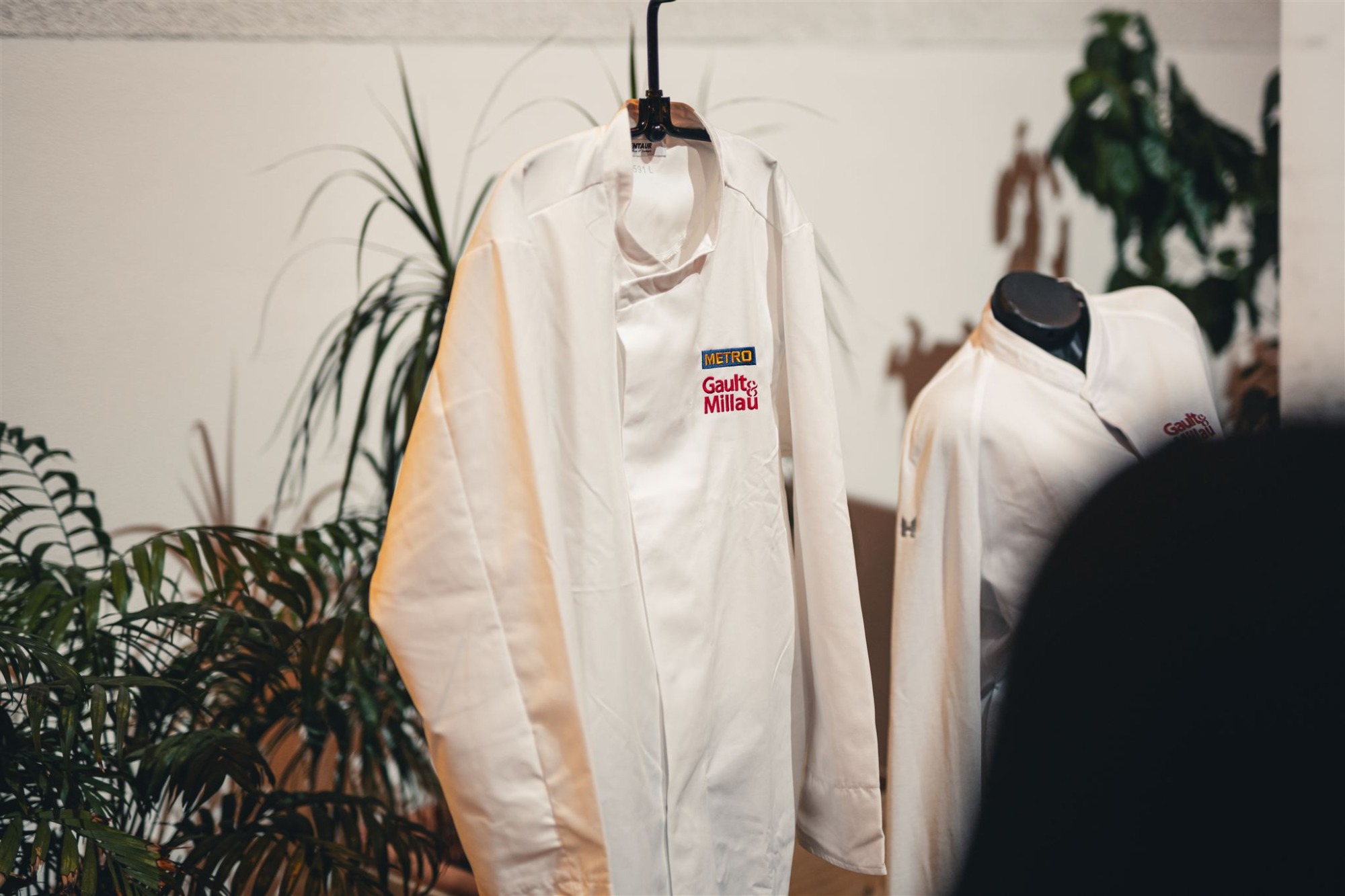
The most popular choices are top chef brands – the Dutch Le Nouveau Chef and the Danish Kentaur. Both feature purely European production, eco-friendly dyes, and fair trade certification. Le Nouveau Chef is B-Corp certified, meaning that not only materials but also all supplier and customer relationships meet the highest standards.
“It’s important what structure the material weave has. For example, twill is used because it’s very durable,” explains a specialist in chef clothing. Ordinary fabric wouldn’t withstand such strain. Sleeves, the back, comfort – and of course design – are all carefully considered. Elegant models with stand-up collars or small lapels are popular, designed to look good while remaining practical. “We’re trying to elevate chef and hospitality clothing into gastro fashion,” Vašíček explains the company’s philosophy. This boosts staff confidence, which in turn raises the level and quality of their work.
At WorkZone, they’ve also noticed that many chefs prefer short sleeves, which previously had to be altered by tailors. Today, partly thanks to this feedback, brands are producing short-sleeve versions directly.
Restaurants are thus moving from T-shirts and aprons to a new level of gastronomy – a welcome change for Slovak gastronomic culture. After all, our chefs are professionals who represent us not only in competitions, but also in their restaurants and hotels.