October 14, 2026

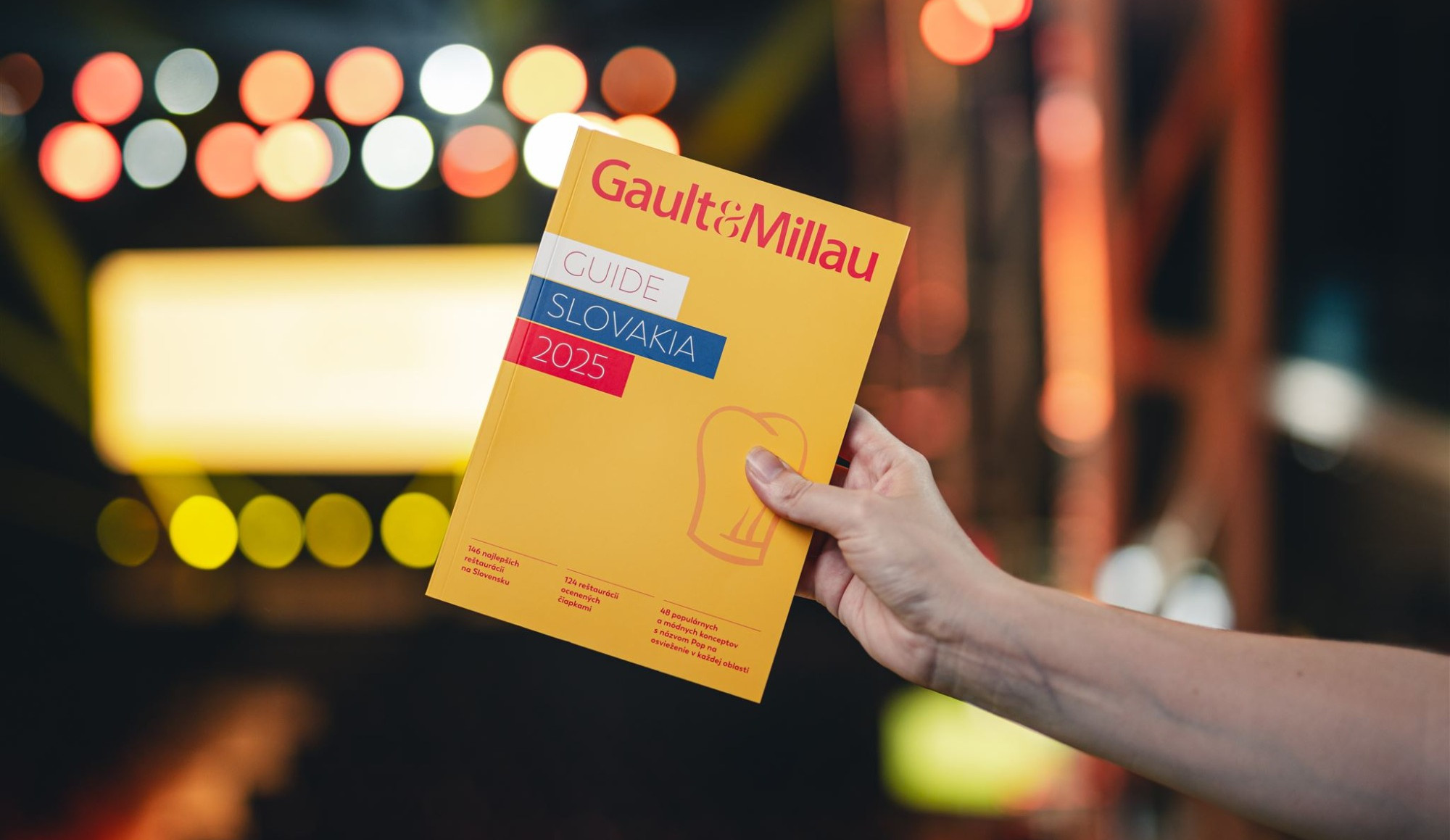
How is it possible that a restaurant serving incredible food didn’t earn four toques? Don't inspectors favour their personal favourites? And could a bistro outshine a fine dining star? Let’s dig deeper into the ratings in the prestigious international Gault&Millau guide.
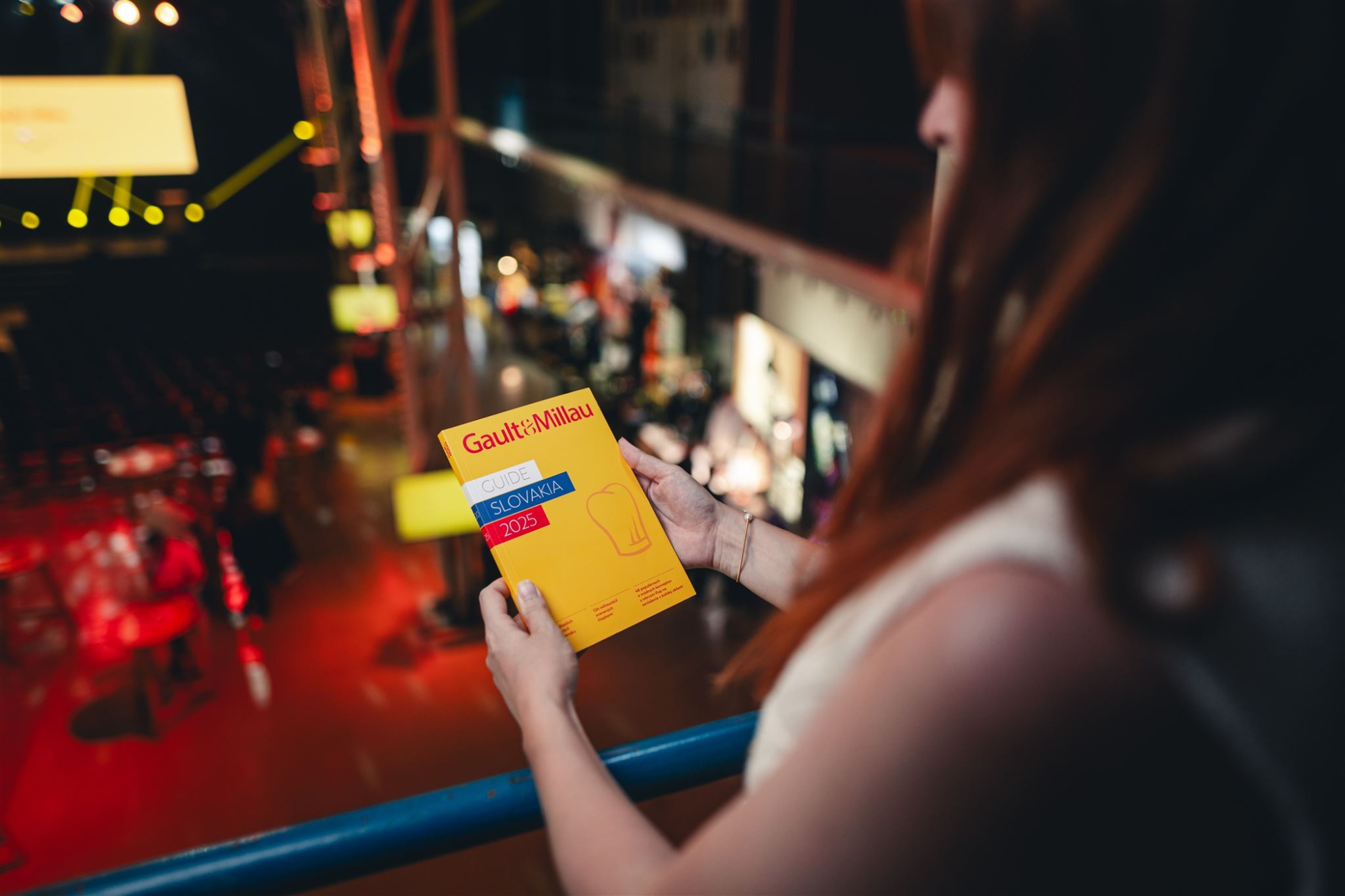
The Science Behind the Scores
Of course, food is at the heart of it all — but even the most sophisticated tasting menu won't automatically place a restaurant among the best. Specially trained inspectors evaluate around 70 different criteria in total, and nothing escapes their expert eyes.
“We assess a wide range of aspects when it comes to food alone. But in the overall evaluation, food is still just one part of the final score,” explains Michal Ondriš, head inspector of Gault&Millau Slovakia.
“One major area where there’s still room for improvement in Slovakia is service. Staff must be able to look after guests from the first phone call to the farewell at the door. Not to mention reading the customer’s mood, confidently recommending and explaining any item on the menu, and pairing both wine and non-alcoholic drinks. We also take into account things like the wine list, atmosphere, comfort, furnishings, lighting, noise levels, and cleanliness,” he adds.
A chef can do an outstanding job, yet the restaurant may still lose points due to shortcomings elsewhere. However, the reverse is not true — without quality food, a place won’t make it into the guide, no matter how perfect everything else is.
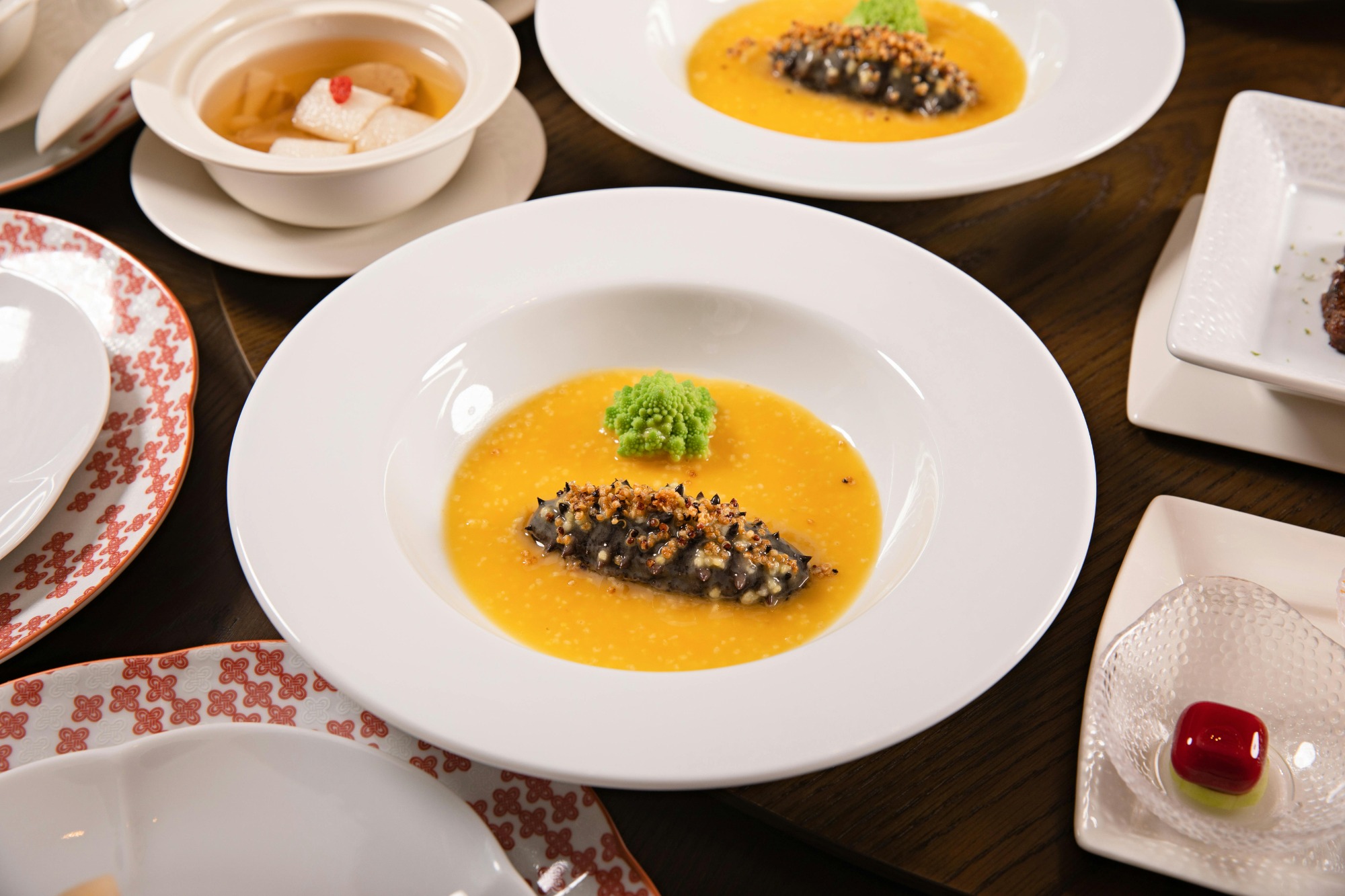
“Only” 10 out of 20 points?
It takes just 10 out of 20 points for a venue to make it into the guide — but don’t be fooled into thinking this equals average food. When reading the ratings, it’s worth remembering that there are so many evaluation categories that some places, particularly outside the fine dining sphere, aren’t eligible to score in all of them. Not every establishment offers a sommelier or a tasting menu, after all.
“And that’s the whole idea of Gault&Millau – to provide readers with the chance to eat well, whether it’s at a rustic countryside inn or a fine dining destination,” says Michal Ondriš.
So your favourite bistro may not have scored more than one toque, despite serving fantastic, original food. A lower score doesn’t mean it’s worse – it simply reflects a different kind of dining experience that excels in its own way.
“Earning just those 10 points is no small feat — it already signals a venue offering perhaps simple but high-quality food,” Ondriš adds. From 11 points onwards, toques are awarded.
|
5 toques |
19–19,5 points |
exceptional cuisine |
|
4 toques |
17–18,5 points |
very high-level cuisine |
|
3 toques |
15–16,5 points |
high-level cuisine |
|
2 toques |
13–14,5 points |
signature cuisine |
|
1 toque |
11–12,5 points |
interesting cuisine |
Why Is My Favourite Restaurant Missing?
Restaurants cannot apply for an inspector visit, nor can they refuse or influence one. Inspectors select venues themselves and visit as many as they reasonably can, across cities and villages all over Slovakia. So why might your favourite spot be missing?
“There are two possibilities – either our inspectors haven’t visited it yet, or it didn’t reach the minimum score of 10 points. This was our first year of evaluations, so we’ll be covering more and more places as we go. But no guide in the world can visit every single venue in a country – nor is that the aim,” says Ondriš.
Venues already listed in the first edition will need to defend their position. And of course, some listed restaurants are working hard to improve on past weaknesses, so they may climb higher next time around.
What if I want to eat well without breaking the bank?
Guides can sometimes feel elitist, but that’s not entirely the case with Gault&Millau. Yes, when dining at the very best – those holding three or four toques – you should expect a one-of-a-kind experience that comes at a price.
However, the guide features a broad range of restaurants, bistros, wine bars, and even street food spots from every corner of Slovakia – all accessible to everyday food lovers.
In that case, we particularly recommend the special POP category, which highlights alternative establishments offering excellent food. These places aren’t scored by inspectors but are hand-picked as favourites that the guide can vouch for in terms of quality.

Don't you visit the same places as Michelin?
Yes and no. Michelin and Gault&Millau are the two most prestigious restaurant guides in the world, but each focuses on different things. Michelin stars tend to go to top-tier fine dining restaurants, known for their elevated food and service. Gault&Millau, meanwhile, casts a wider net and evaluates restaurants across its own categories and levels.
So whether you’re after a once-in-a-lifetime fine dining experience, some comforting halušky, or top-notch Asian street food, Gault&Millau has you covered — with scores, detailed reviews, and recommendations from all across Slovakia.