October 14, 2026


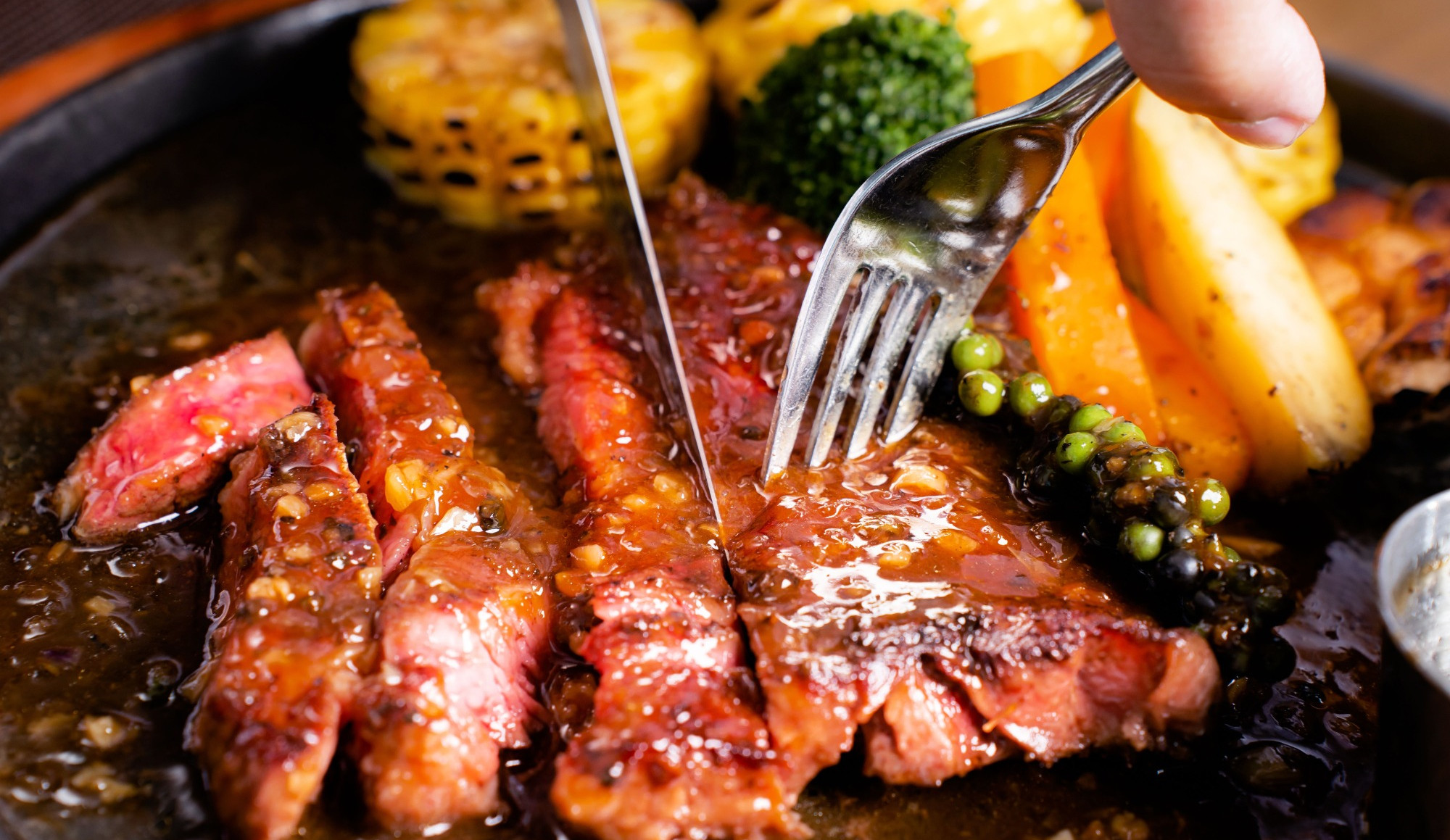
Dry ageing has, in recent years, become a byword for quality gastronomy. What was once the preserve of top-tier steakhouses now finds its place in modern restaurants, hotels and artisan butcheries alike. A well-aged ribeye or T-bone steak offers a more intense flavour, a finer texture and a gastronomic experience all its own.
But the exceptional result isn't down to time — it's down to a precisely managed process. Temperature, humidity, airflow, hygiene and the quality of the raw material all determine whether the end product is premium or ruined.

What happens during ageing?
During dry ageing, meat is stored without protective packaging in a precisely controlled environment. Over several weeks, three natural processes take place.
The first is enzymatic breakdown, in which the meat's own enzymes break down muscle fibres, making it more tender.
The second is moisture evaporation. The meat gradually loses some of its weight, while its flavour and aroma become more concentrated.
The third is the formation of a dry protective crust, which is trimmed away before preparation. It's this weight loss and subsequent trimming that make dry ageing an economically demanding process — all the more reason to keep every condition under control.
Three parameters that matter
Successful dry ageing rests on three pillars: a temperature of roughly 0 to 4°C, relative humidity of around 70 to 85%, and even airflow.
Setting these values isn't enough on its own. Professional technology has to hold them stable even as doors open, meat volumes change or ambient temperature fluctuates. It's this stability that separates professional equipment from an ordinary fridge.

Salt blocks alone won't do it
Dry ageing is surrounded by plenty of myths. One of the most common is the idea that Himalayan salt blocks are enough to guarantee proper ageing.
Salt can help stabilise the environment, but on its own it doesn't replace active control of humidity, temperature or ventilation. Modern professional ageing cabinets allow individual ageing phases to be set and conditions adjusted to the desired result — making the process repeatable and safe.
Hygiene is fundamental
Since meat ages for several weeks without protective packaging, hygiene is absolutely critical.
Professional ageing cabinets use tools such as UV-C air sterilisation, temperature and humidity monitoring, alarms and remote oversight of operations. Technology doesn't replace proper hygiene practices among staff, but it goes a long way towards keeping the whole process under control.
Not just beef
Dry ageing is no longer confined to beef. A growing number of top restaurants are experimenting with ageing fish, too, which can heighten flavour and improve texture.
Fish, however, have different hygiene and microclimate requirements, and so call for a separate approach and purpose-designed technology.

The ageing cabinet as part of the experience
In many modern restaurants, the ageing fridge is no longer tucked away in the back of house. It has become part of the interior — and a powerful marketing tool in its own right.
Seeing meat ageing before the menu is even opened communicates craft, quality and trust. Guests can see the establishment invests time and care in its ingredients, which naturally supports sales of premium steaks and other specialities.
The most common mistakes
The biggest mistake is trying to age meat in an ordinary fridge, which can't maintain stable humidity or proper air circulation.
Choosing equipment on price alone — without factoring in the type of operation, planned production volume or how batches are handled — is another frequent error. Reliable servicing matters just as much: equipment failure can mean ruining an expensive raw material.
When is dry ageing worth it?
Dry ageing brings the greatest benefit to operations looking to offer guests a premium gastronomic experience and stand out from the competition. It calls for quality raw material, experienced staff and the right technology — but the result is a higher-value product that customers are willing to pay more for.

A good result starts with the right solution
Successful dry ageing doesn't start with buying equipment — it starts with carefully planning the whole operation. Choosing the right technology means factoring in capacity, working method, hygiene requirements and future servicing.
That's precisely why it's worth consulting specialists. KEMA gastrotechnológie supplies professional technology for the hospitality industry and helps operations design solutions tailored to their needs — from planning through supply to servicing. The right ageing technology, then, isn't just an investment in equipment, but in quality, efficiency and the overall gastronomic experience.